
News
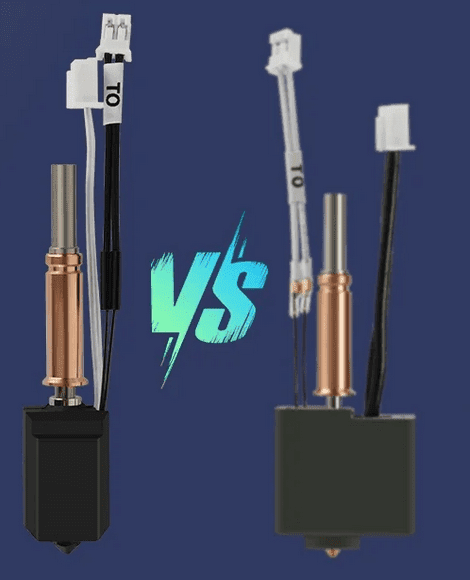
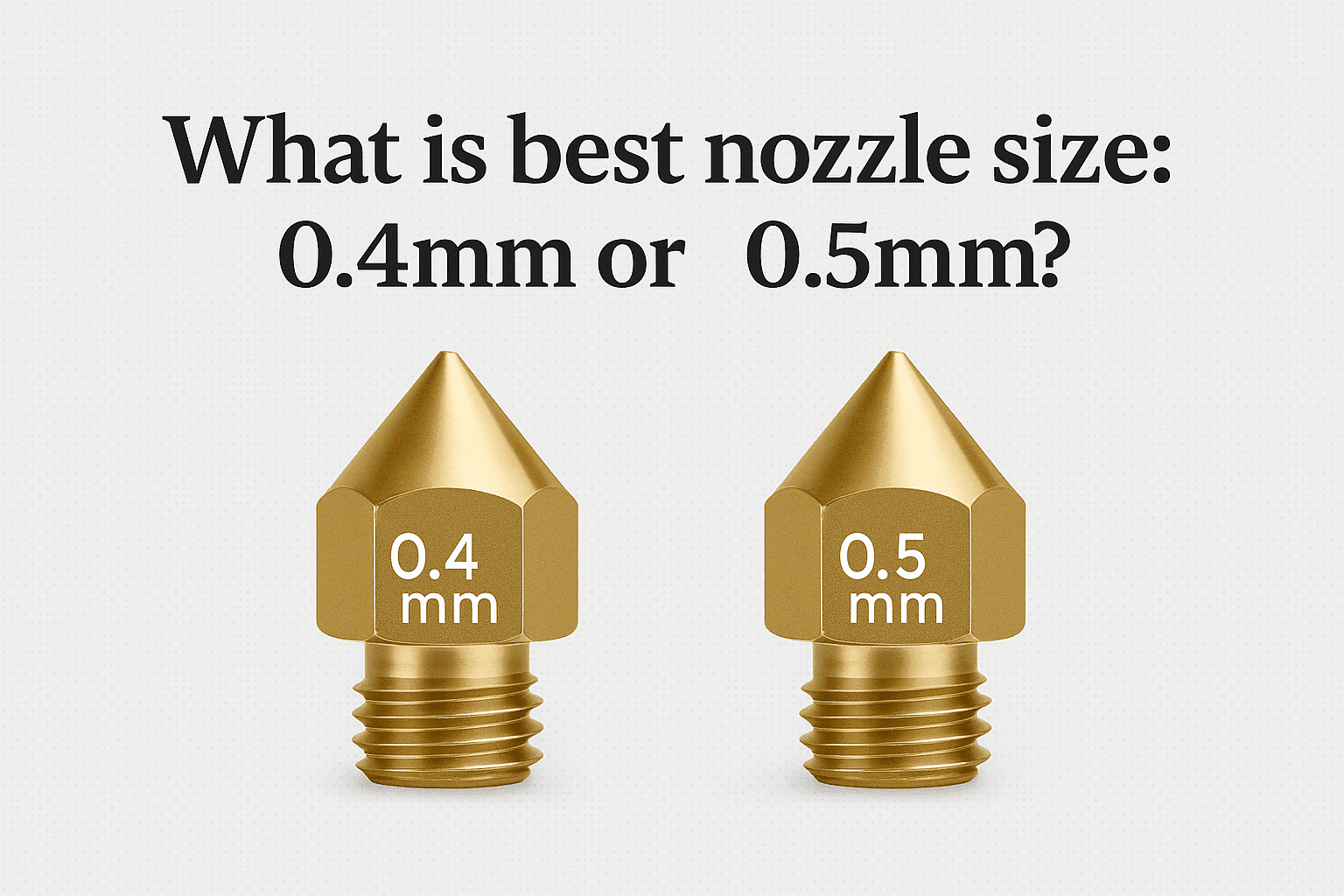
0.4mm vs 0.5mm Nozzle: Real-World Results After Years of Testing
0.4mm became the default because of a drill bit E3D had on hand, not because it’s optimal. We’ve been printing everything such as Voron parts, custom jigs, filled materials, customer jobs, at 0.5mm for years. Here’s why nobody’s complained, why clogged nozzles disappeared, and the one question you should ask before buying your next nozzle.
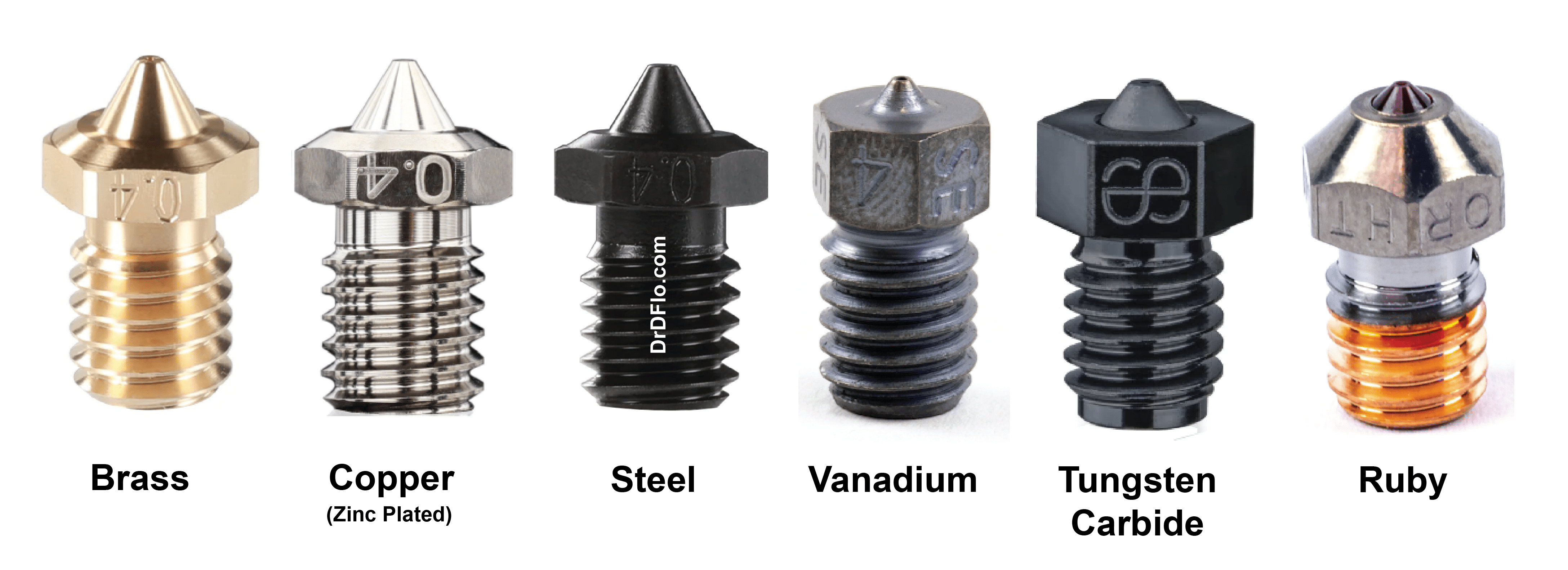
Choosing the Right 3D Printer Nozzle Material
A nozzle upgrade can silently destroy your print quality if you don't account for thermal conductivity. We break down the real failure modes of brass, hardened steel, plated copper, tungsten, SiC, and diamond nozzles, and reveal the 0.5mm sweet spot most people overlook.
Why Your PLA Filament is Becoming Brittle (and How to Prevent It)
PLA filament turning brittle is a common frustration for 3D printing enthusiasts, often caused by moisture, UV exposure, or temperature changes. Learn why your filament weakens over time and discover simple storage, handling, and drying tips to keep your spools in top condition for smoother, more reliable prints.

Polymaker SKU list - What products are transitioning to Panchroma and Fiberon
Filament Tangles vs. Overlaps: Understanding the Difference
Tropical Cyclone Alfred: Potential Impact on Order Dispatch & Support Hours (3 March 2025)
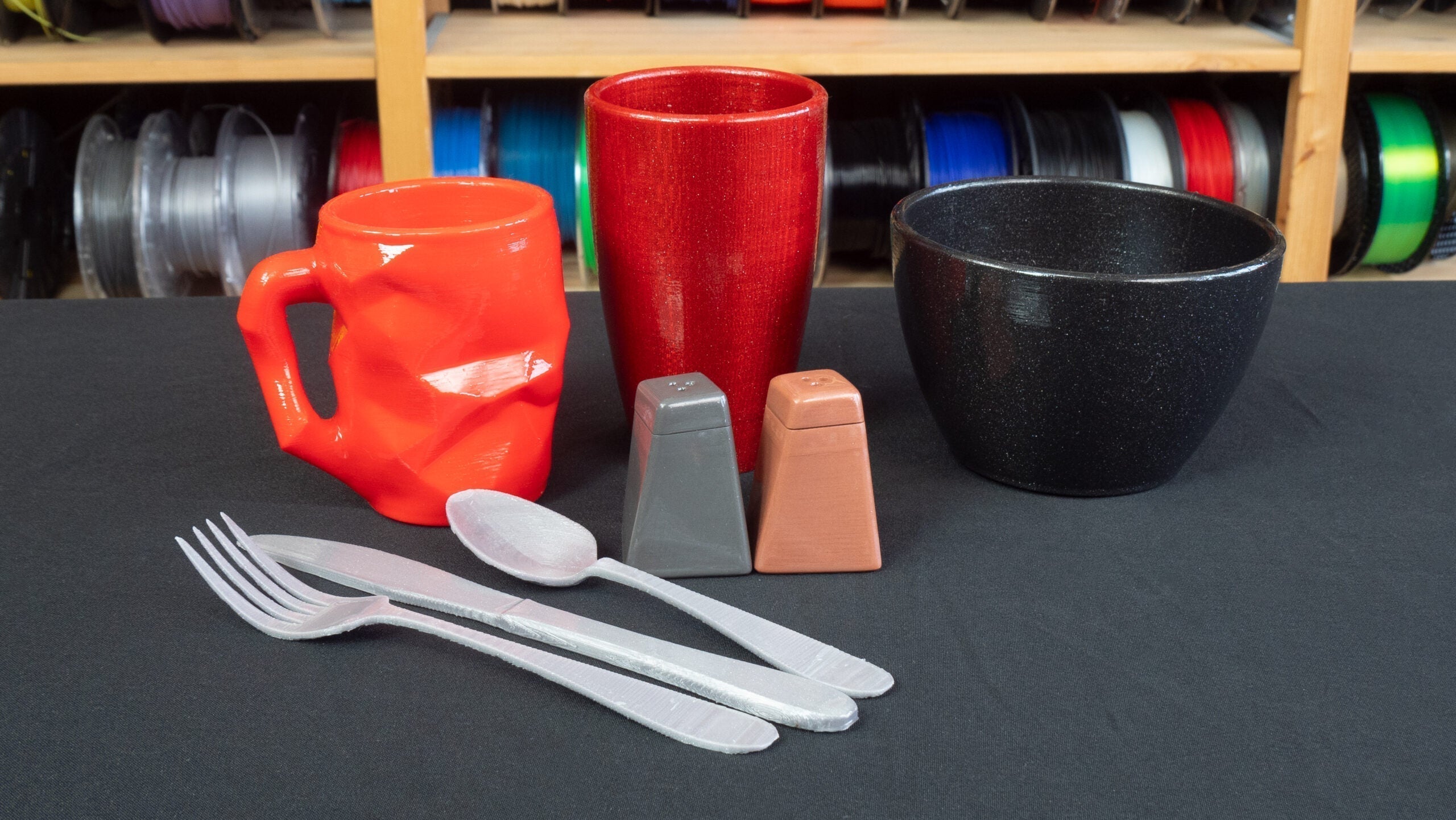
Is FDM 3D Printing Food Safe? The Honest Answer from a Print Farm
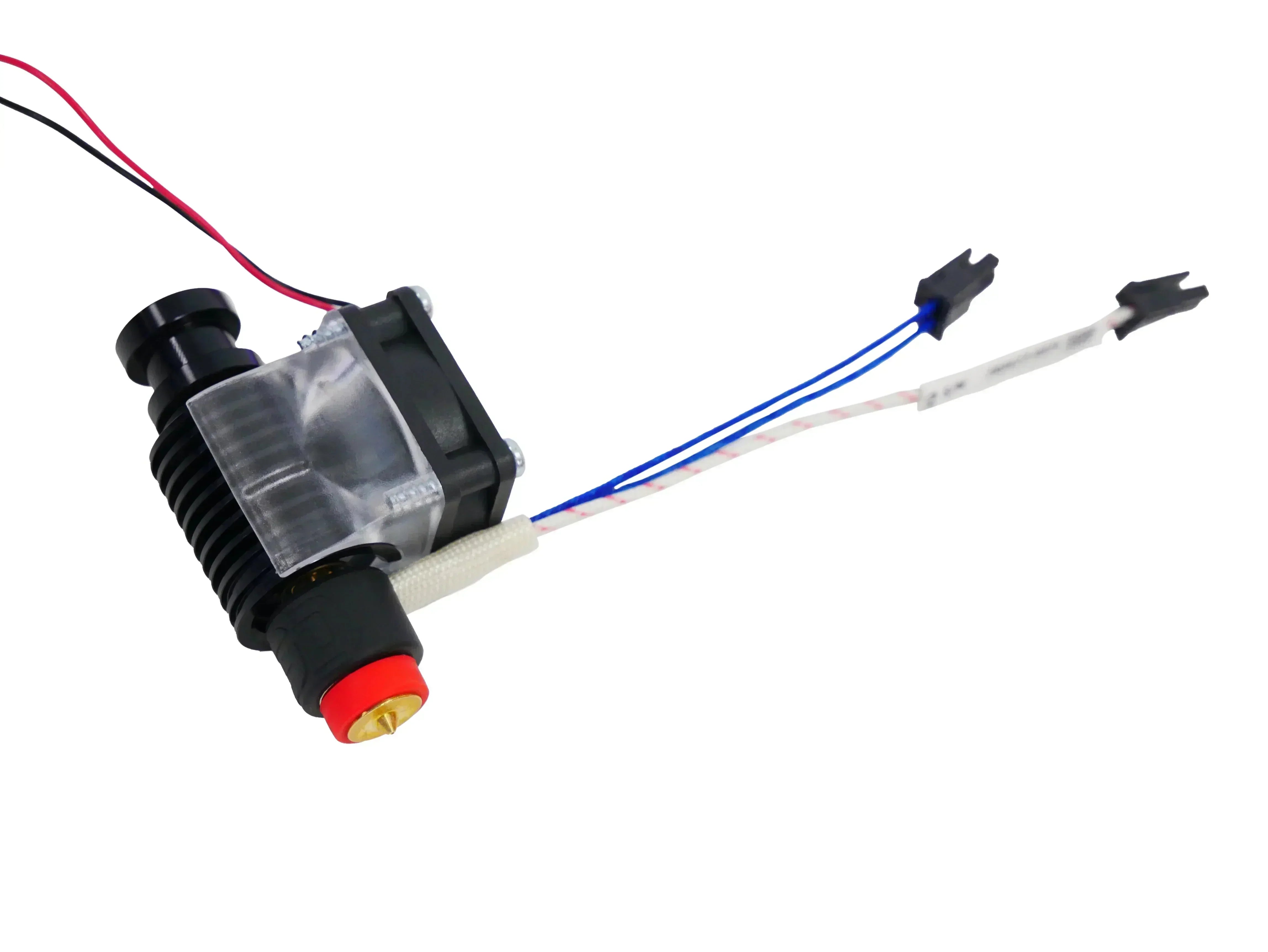
Hotend Manufacturers in the 3D Printer Market: A Retailer’s Honest Guide
We stock hotends from E3D, Slice, Micro Swiss, and a mystery underdog that impressed us most. Here’s what actually matters: support realities, the upgrade questions we ask, and the universal ecosystem we wish existed but doesn’t.

Cardboard vs. Plastic Spools: Why We Choose Cardboard
Major U.S. Section 321 De Minimis Changes (August 2025) for DREMC

Why We Don’t Offer a Pick-Up Service
