
News
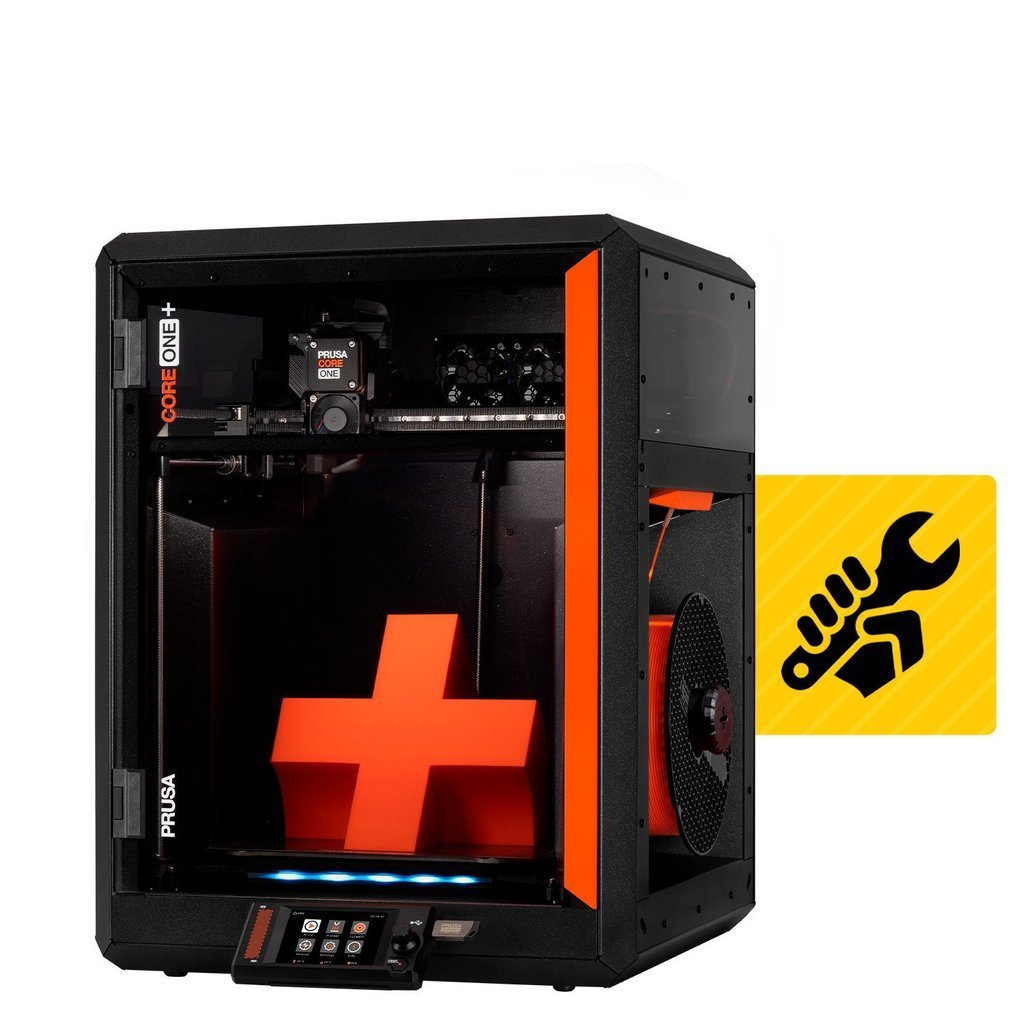
Things I wish I had in back in 2019 in a 3D Printer.
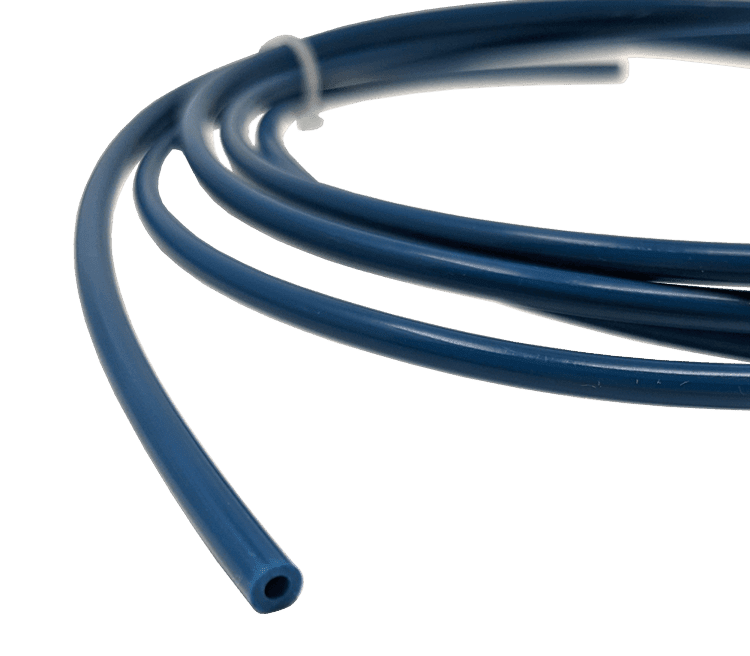
Which ID PTFE Tube for 3d printing do I use? 1.9, 2.0, 2.5 3.0mm?
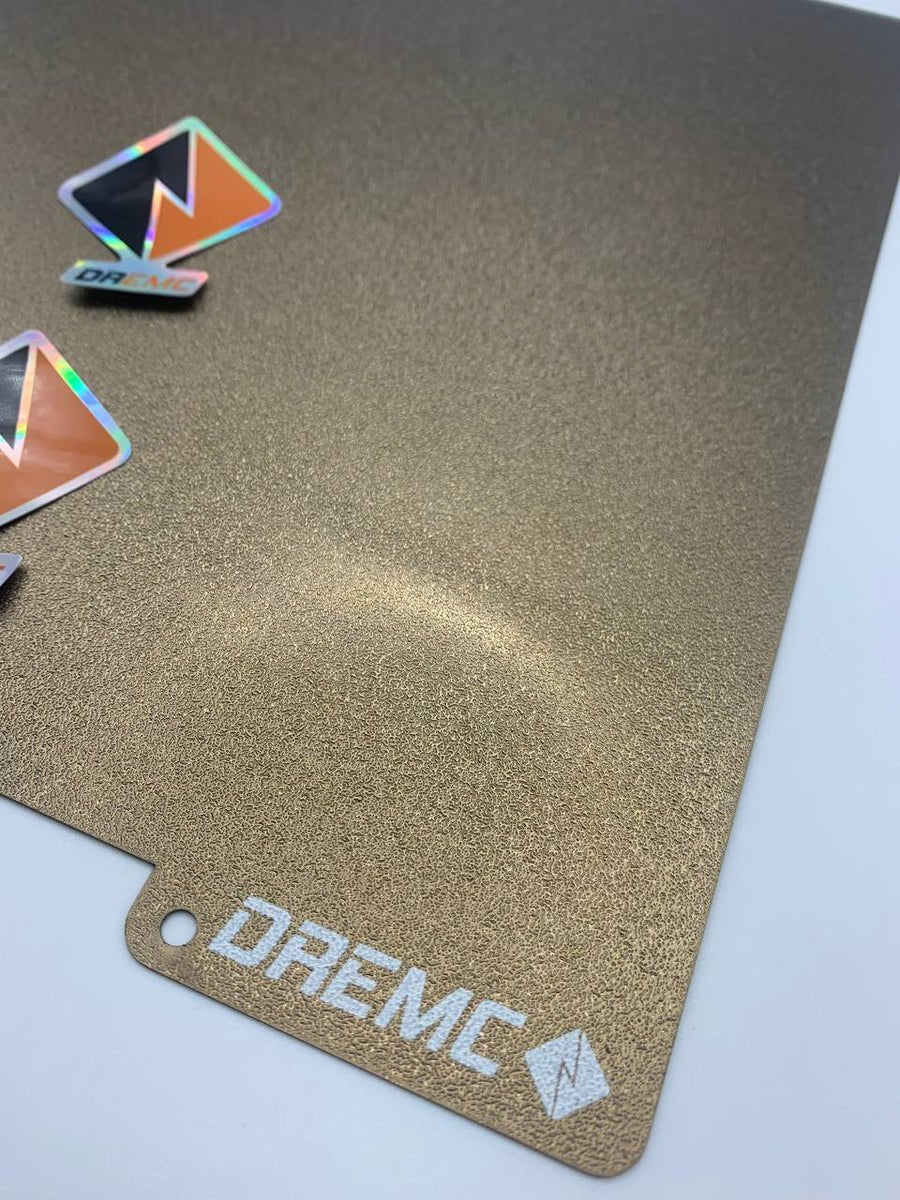
Care Guide on PEI Flex Build Plates

Explore Exciting 3D Printed RC Vehicle Kits from 3DMakerParts
Dive into the realm of 3D Printed RC Vehicle Kits from 3DMakerParts! These innovative kits offer endless customisation options, high-quality materials, and a fun learning experience for hobbyists. Whether you're into off-road adventures, racing, or monster trucks, these kits empower you to create and connect with a vibrant community of RC enthusiasts. Explore the models and start your building journey today!

Cartographer V4 vs Beacon H 3D Printer Eddy Probes
Discover the cutting-edge world of eddy current probing systems in 3D printing. Our comprehensive comparison reveals the strengths, nuances, and technological innovations of the Cartographer V4 and Beacon H probes, helping you make an informed decision for your next 3D printing upgrade.

Exploring Polymaker Fiberon PET, PLA, PETG, ASA, Nylon and PPS Material
Explore the differences between glass and carbon fibre materials in 3D printing, including the benefits of PLA, PET, PETG, ASA, Nylon, and PPS filaments. Learn how fiber reinforcement impacts strength, flexibility, and heat resistance in various applications. Perfect for engineering and everyday projects!
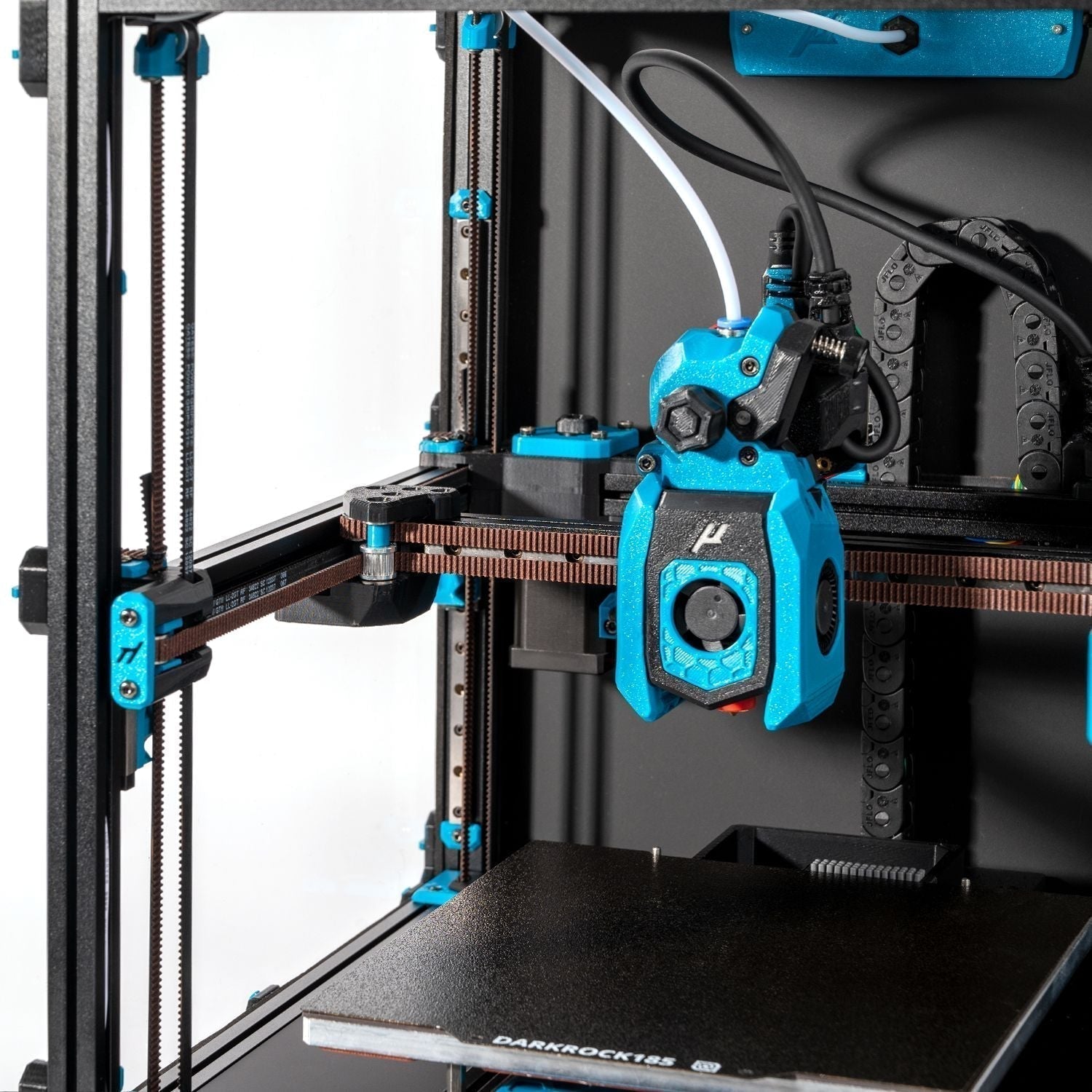
Prebuilt vs. DIY Kits 3D Printers
As you embark on your 3D printing adventure, a crucial choice awaits: opt for a prebuilt printer known for its ease of use, or dive into the challenge of building your own with a DIY kit. This article examines the benefits and drawbacks of both paths, considering factors like performance, cost, and user experience. Whether you're a beginner seeking simplicity or an enthusiast craving customisation, find out which option is best for you.
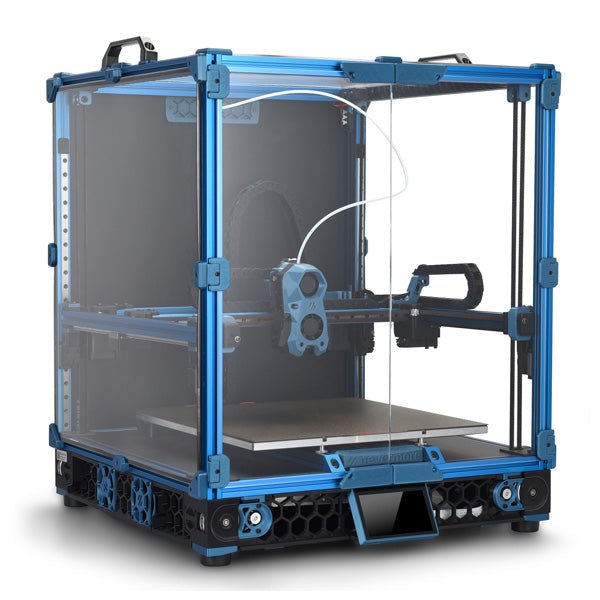
Voron V2.4 or Trident: Which One is Right for You?
Deciding between the Voron V2.4 and Trident for your 3D printing needs? This guide breaks down the pros of each model, helping you choose based on your preferences for build complexity, print quality, and budget. Whether you value a stationary bed or user-friendly assembly, find out which printer is right for you.
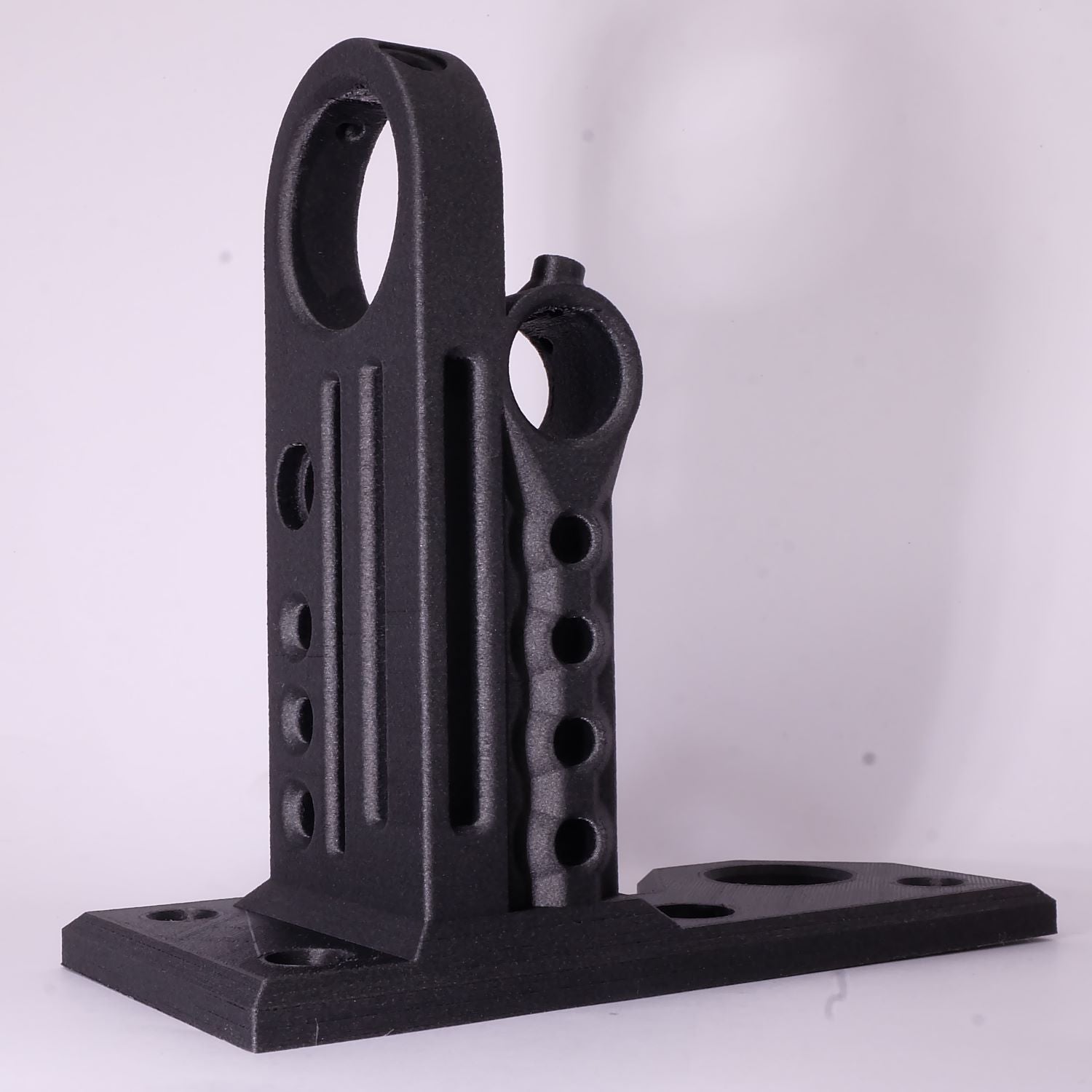
Comparison of Chopped vs. Milled Carbon Fibre Filament
Chopped and milled carbon‑fiber filaments look similar, but their geometry drives very different performance. High‑aspect‑ratio chopped strands boost stiffness and strength‑to‑weight ratios, while fine milled particles improve dimensional stability and ease of printing. This article breaks down the mechanical impact, warping reduction, surface finish, and electrical benefits of each type, helping engineers choose the right reinforcement for aerospace, automotive, or robotics applications.
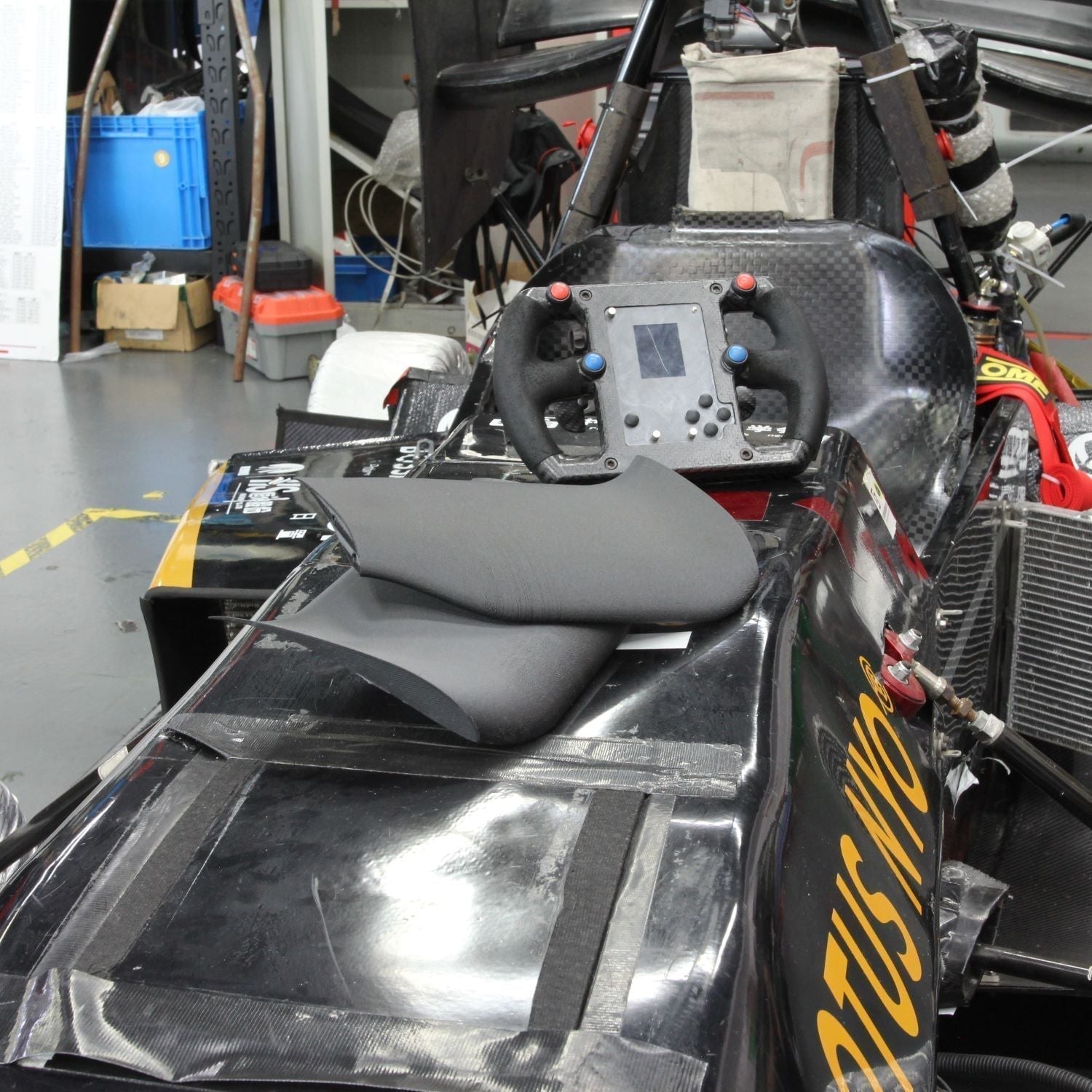
How DREMC Helps Customers Choose the Right Filament
Is carbon fibre filament worth it?
Standard 3D printing materials like PLA and ABS can falter under real stress, but DREMC's carbon fiber filament takes performance to the next level. Comparable to traditional manufacturing, it opens up new possibilities for high-load applications.
Carbon fibre significantly enhances material stiffness, ensuring parts retain their shape under pressure. Its unique structure acts like micro-rebar, reducing warping and shrinkage, while delivering exceptional dimensional stability. This filament also boasts impressive heat resistance, maintaining integrity in challenging environments.
When printing with carbon fibre, specific hardware upgrades, like a hardened steel nozzle, are crucial. DREMC offers a range of compatible filaments, including PA6, PA12, and ABS, tailored for various uses.
Whether in aerospace or automotive sectors, carbon fibre parts are becoming the norm, replacing traditional tooling for greater efficiency. Is it worth the investment? Absolutely—if you need high-performance, durable components, the benefits of carbon fibre far outweigh the costs.
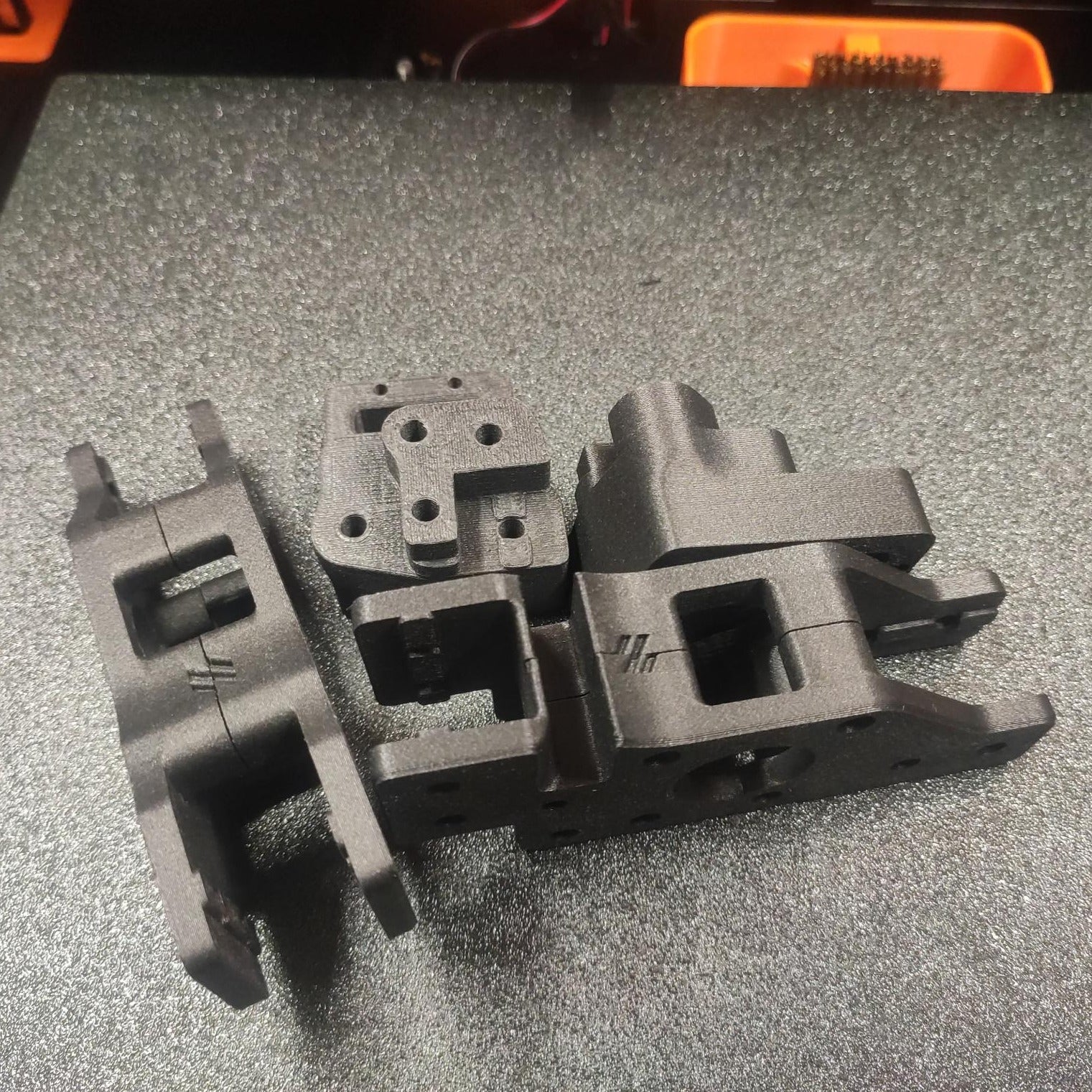
Carbon Fibre vs. Glass Fibre Filled Filaments
This article explores the differences between glass fibre and carbon fibre reinforced filaments in 3D printing. It highlights the strengths, weaknesses, and ideal applications of each material. Glass fibre offers affordability and flexibility, making it suitable for mechanical parts and tools, while carbon fibre provides superior stiffness and a high strength-to-weight ratio, ideal for precision applications in aerospace and automotive industries.