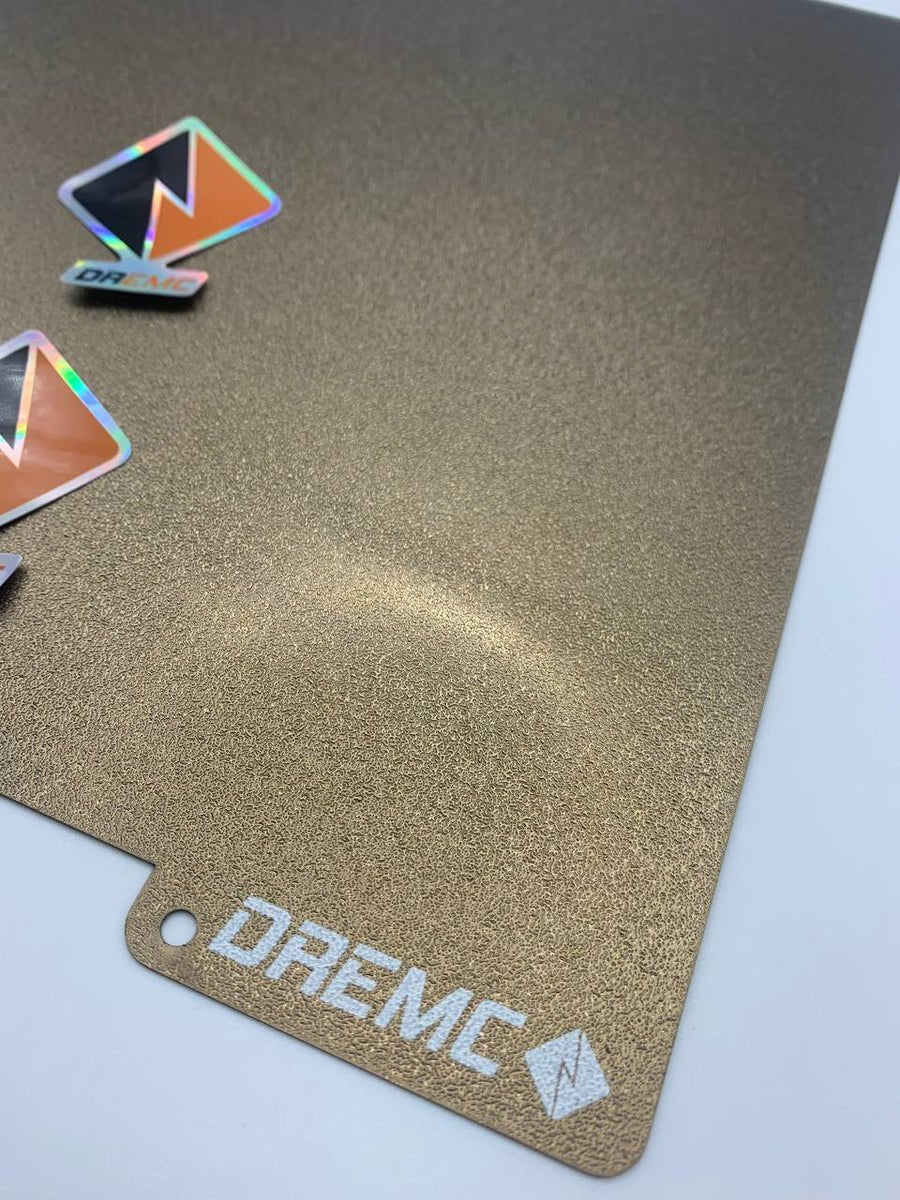
PEI (Polyetherimide) build sheet is key to reliable bed adhesion and consistently good prints. Left unattended, a PEI surface can collect oils, dust, and filament residue, which reduces adhesion, increases part lifting and warping, or causes prints to stick so hard they’re difficult to remove (where different materials can fuse to each other). Regular maintenance and gentle cleaning will extend the useful life of a PEI spring-steel sheet and reduce the chance of failed prints or filament build-up around the hotend.
How to Clean Your PEI Sheet
- Quick dust and debris removal: Wipe the surface with a soft, lint-free cloth or paper towel to remove dust, loose filament bits, and grease/oils from handling. Avoid abrasive pads or scouring tools that can scratch the PEI, as PEI is type of high temperature plastic
- Routine wipe with alcohol: Every few prints, dampen a lint-free cloth with isopropyl alcohol (90% or higher) and wipe the bed to remove oils and light residues. Let it dry completely before printing.
- Alternative cleaner: An ammonium hydroxide–based glass cleaner can be used as another effective option for routine cleaning. Spray lightly on a lint-free cloth and wipe; follow with a water rinse, and ensure the sheet is dry before use.
- Deep cleaning: For persistent residue, wash the sheet gently with warm water and mild dish soap, rinse thoroughly, and dry completely before reinstalling. Another option is using a dish washer (our recommendation to use dedicated wash cycle or ensure you wipe and clean/remove any materials from build plate first)
- Light surface refresh (only when needed): If adhesion has declined because the surface has become too smooth, you can very lightly scuff the PEI with a green Scotch-Brite pad with some acetone. Use even, gentle pressure to avoid visible scratches, then clean the sheet again to remove grit.
More Information: https://support.dremc.com.au/support/solutions/articles/51000300850-dremc-texture-smooth-pei-satin-build-plate
Best Practices to Prevent Problems
- Inspect before every print: A quick check for loose filament or dust can prevent many failed prints.
- Avoid harsh chemicals: Don’t use acetone, strong solvents, or abrasive cleaners that can damage PEI.
- Let the bed cool for removal: Parts usually release more easily when the bed is cool. If a part is stubborn, gently flex the removable spring-steel sheet or use a thin, non-abrasive spatula to lift edges.
- Use adhesives sparingly: Glue sticks and other adhesives can help certain filaments but overuse leaves residue and uneven adhesion, clean them off regularly. Otherwise our suggestion is latest bed adhesive for PEI Build plate which reduce flaking, each application has extended use unlike glue stick.
- Replace when necessary: If deep cleaning and light scuffing don’t restore reliable adhesion or the sheet shows visible wear, you may need to replace it with new build plate.