
News

Christmas Delivery Cut Off Date 2025 & Christmas/New Years Operating Days
Black Friday 2025
Tackling Heat Creep in the Aussie Summer - 3D Printing
This blog post explores effective strategies for combatting heat creep during the hot Aussie summer, a common challenge for 3D printing enthusiasts. It delves into the definition of heat creep, how to identify its symptoms, and practical solutions such as improving airflow, adjusting temperature settings, and selecting heat-resistant materials. By implementing these strategies, you can maintain the performance and reliability of your 3D printer and continue producing high-quality prints despite rising temperatures.
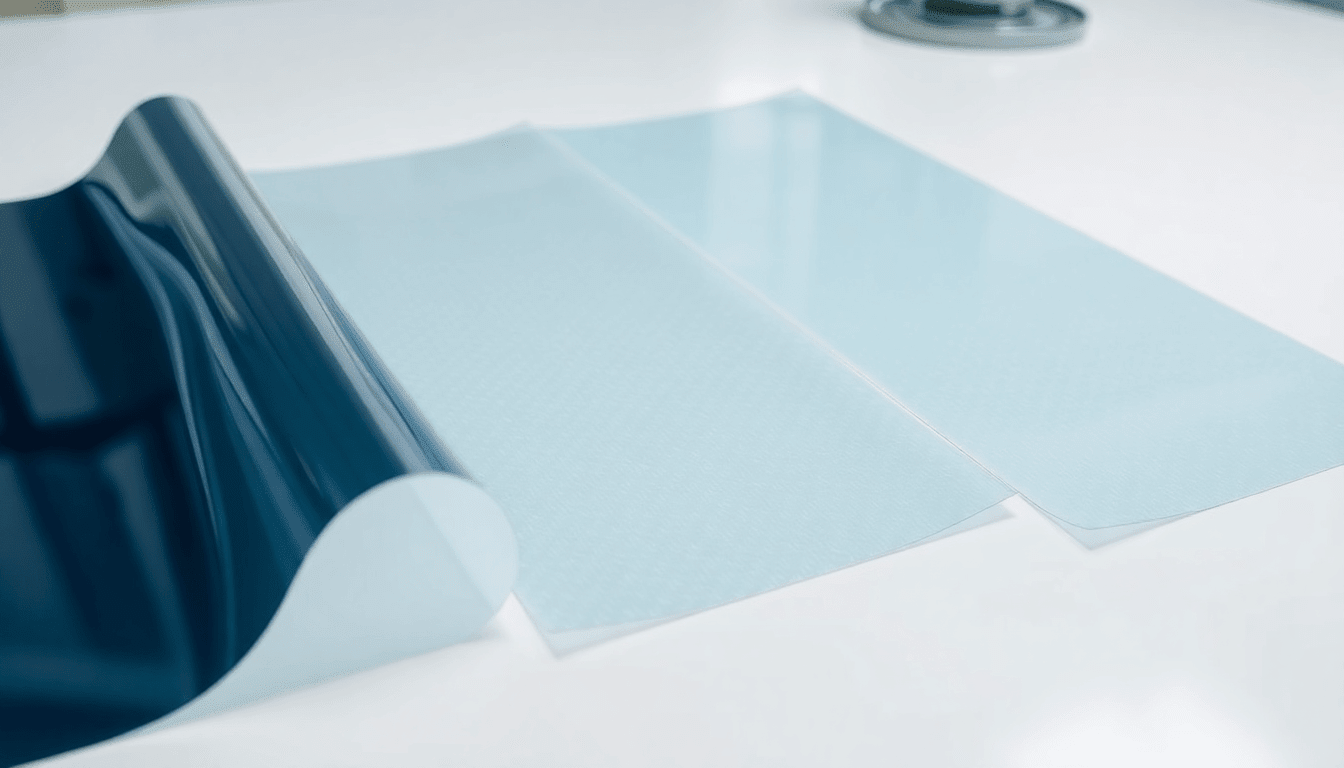
FEP vs nFEP vs ACF: Which Resin Release Film Should You Choose?
FEP, nFEP, or ACF? It’s not just about price, it’s about installation time, print settings, and longevity. We compare all three based on real customer support experience, and explain why ACF is now the economical choice for most resin printers.
Conquering Heat Creep: A 3D Printer's Nemesis
Conquering Heat Creep: A 3D Printer's Nemesis" delves into the challenges posed by heat creep in 3D printing. This article explores the causes and symptoms of heat creep, which can lead to filament jams and poor print quality. It offers practical solutions and expert advice to help 3D printing enthusiasts and professionals effectively manage and prevent this issue, ensuring smoother and more reliable printing experiences
2025 Late Mid Year Store Update
Essential 3D Printing Maintenance Tips for Beginners For Creality 3D Printers
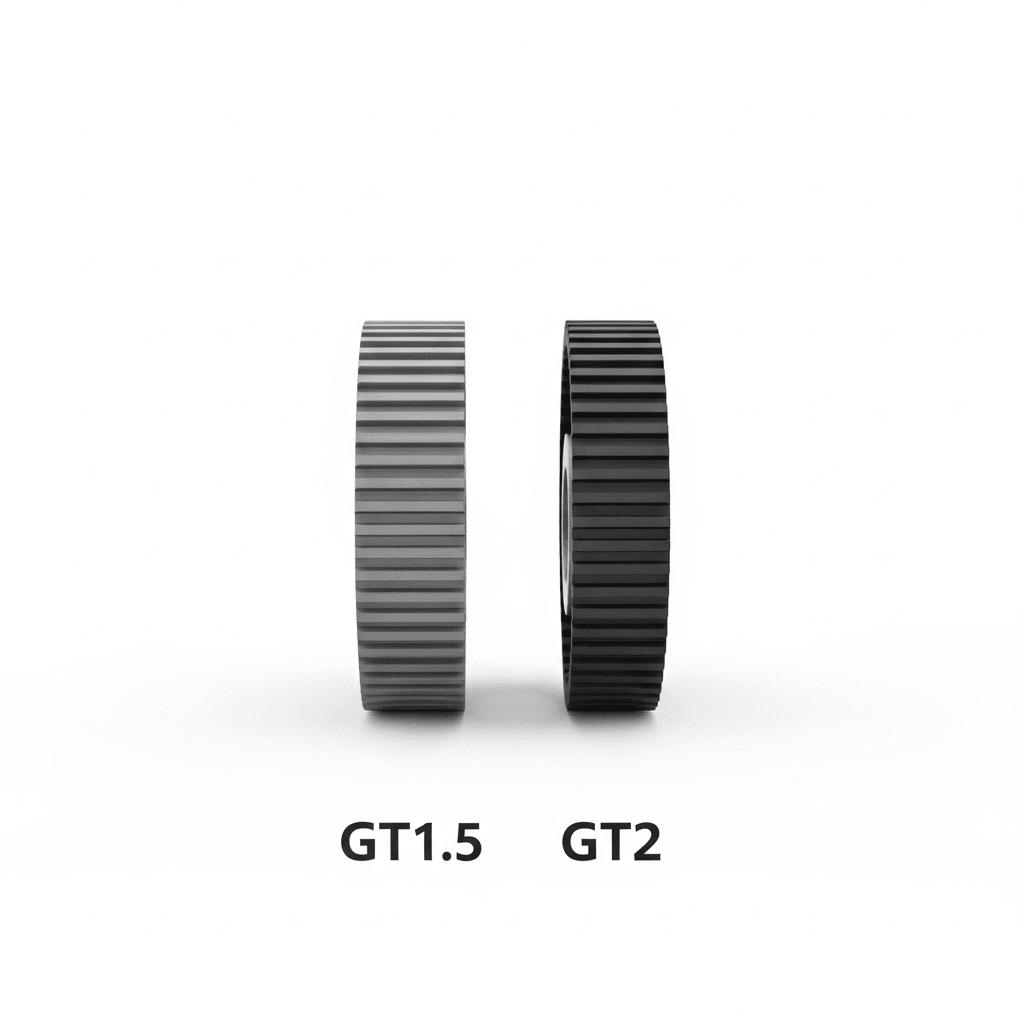
GT1.5 vs GT2 Belts: Which is Better for DIY 3D Printing?
GT1.5 vs GT2 timing belts for 3D printing: which is better for DIY builds? Learn the key differences and why GT2 remains the most reliable and precise option.
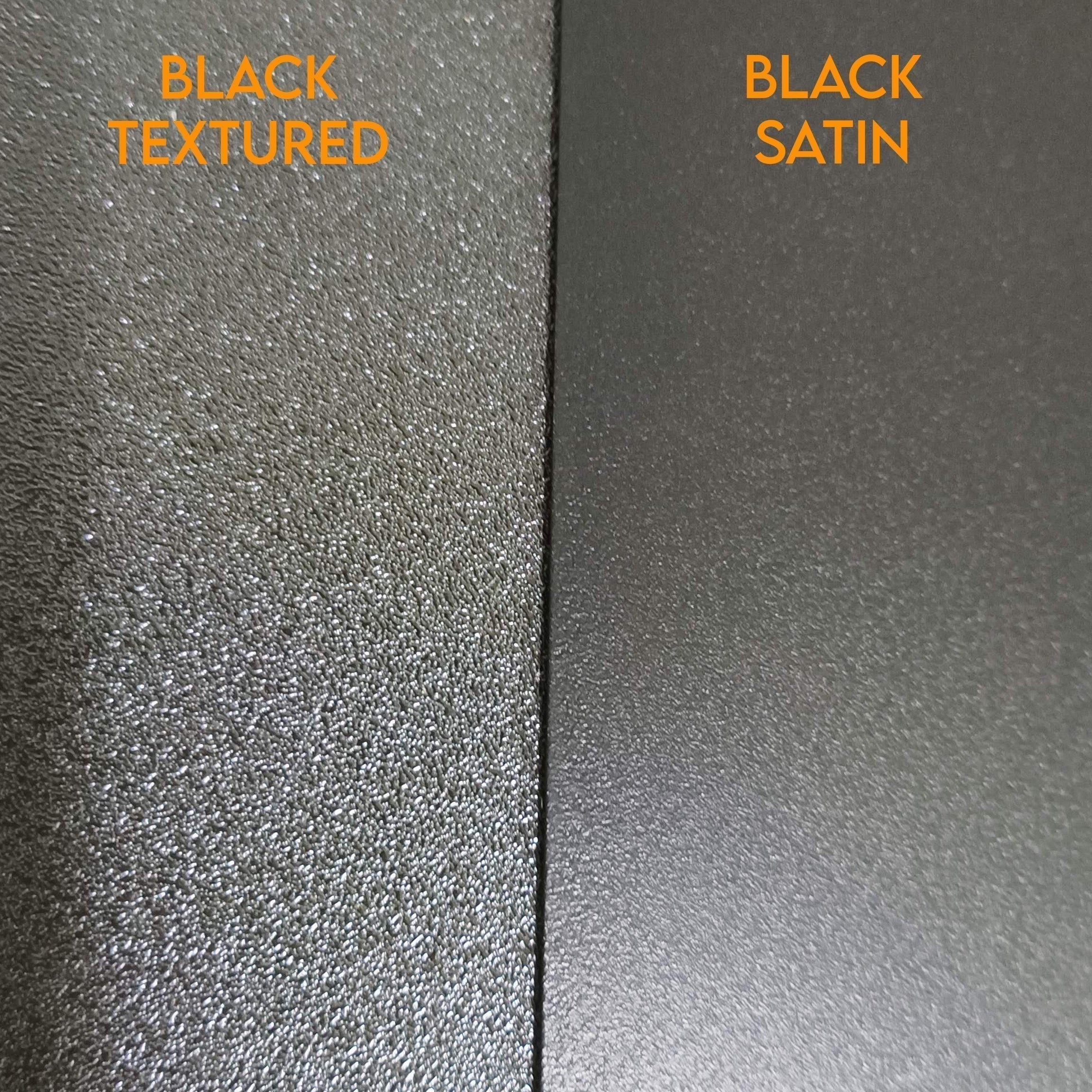
DREMC Black PEI Flex Plates: Smooth, Textured and Satin – Which One Is Right for You?
Discover the standout features of DREMC’s black PEI flex plates, designed to enhance durability, adhesion, and print removal. We compare three unique variants to help you find the best match for your 3D printing setup.
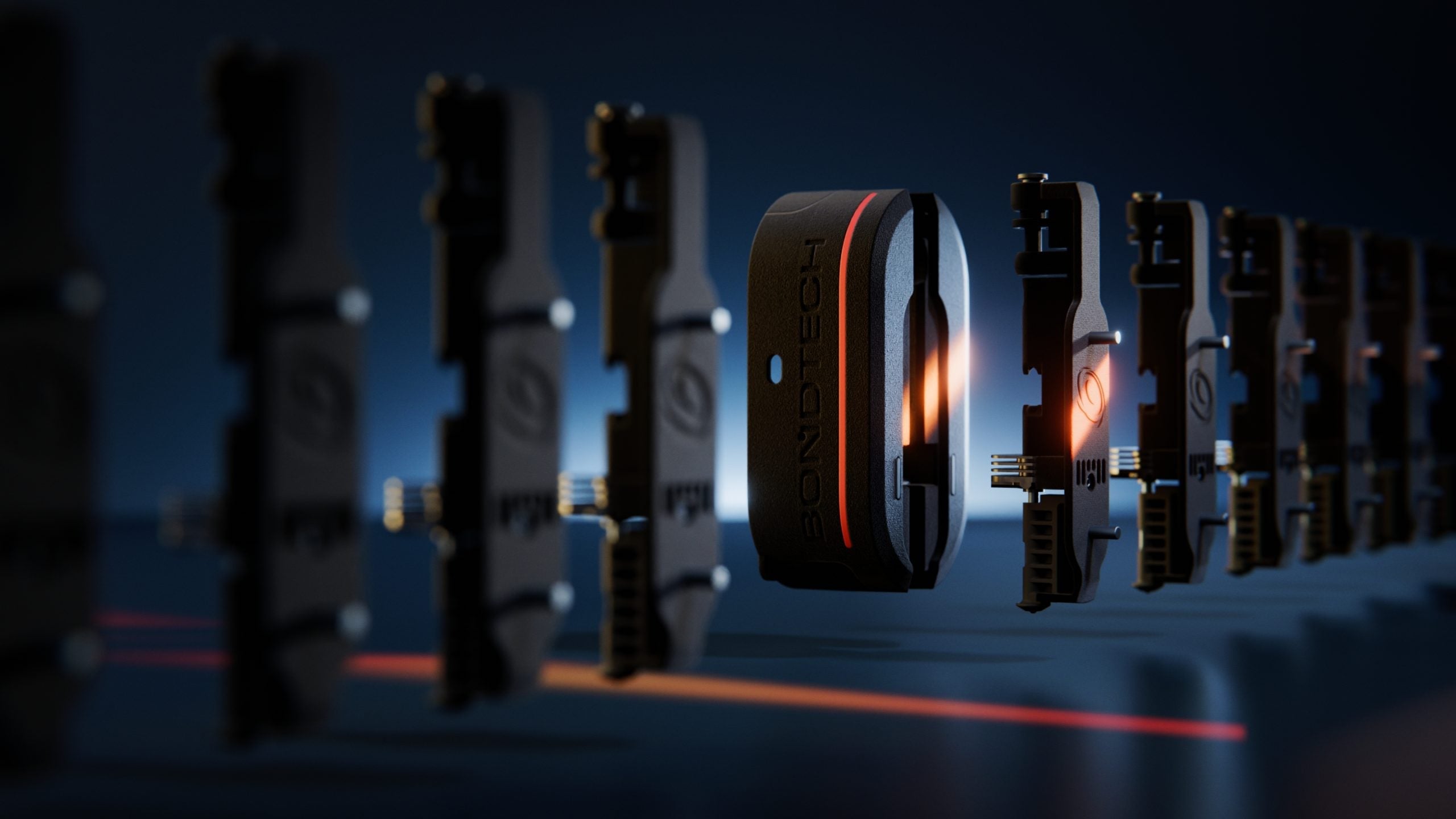
One nozzle or multiple toolheads for your next project?
We run and repairs a bunch printer and we’ve tried all the options. Here’s when a single nozzle wins, why dual-toolheads rule for support material, how EMU stacks up against off-the-shelf filament switchers, and the dream setup that isn’t quite here yet.
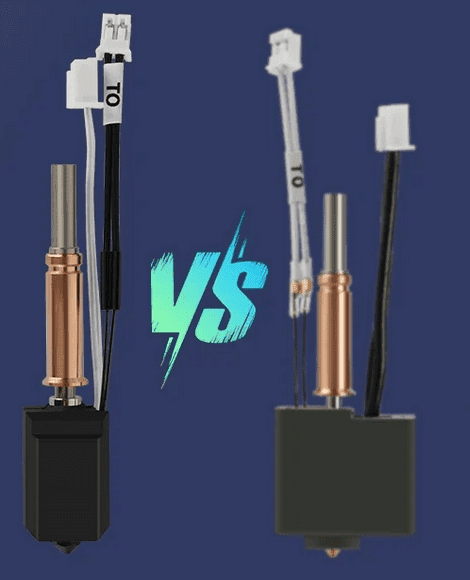
Anycubic Kobra 3 Hotend Comparison – Stock vs Ceramic Hotend TZ
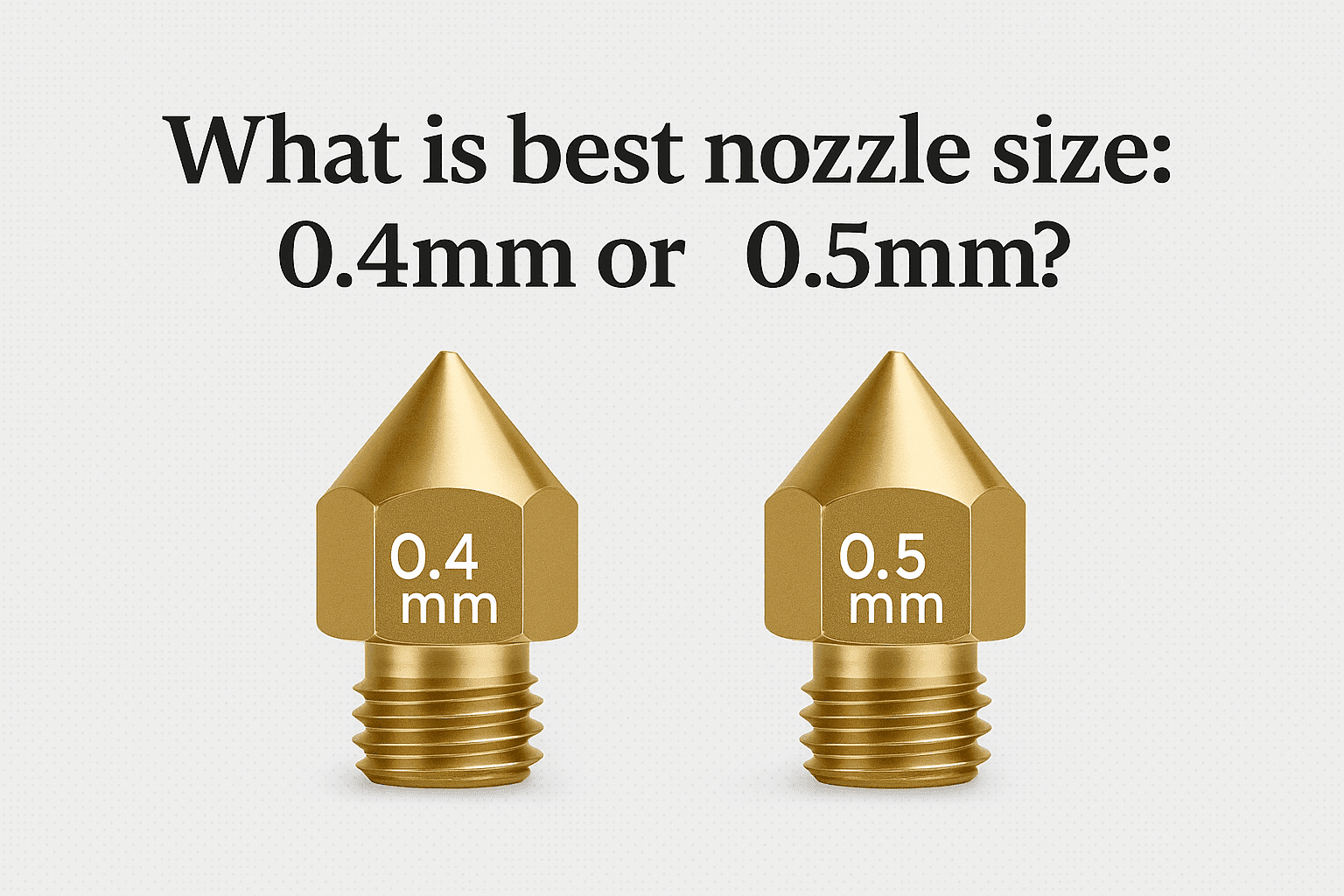
0.4mm vs 0.5mm Nozzle: Real-World Results After Years of Testing
0.4mm became the default because of a drill bit E3D had on hand, not because it’s optimal. We’ve been printing everything such as Voron parts, custom jigs, filled materials, customer jobs, at 0.5mm for years. Here’s why nobody’s complained, why clogged nozzles disappeared, and the one question you should ask before buying your next nozzle.