A flexible steel sheet coated with PEI (polyetherimide) has quietly become the default build surface for almost every modern 3D printer, and for good reason. It grips filament when hot, releases it when cool, and pops off with a flex. But not all PEI is the same, and a lot of the common advice about cleaning and maintaining it is incomplete. At DREMC, we print on our own branded PEI sheets every day, across a farm running ABS, ASA, PC, Nylon, PETG other more extoic engineering filament. Here is everything we have learned about getting PEI to work perfectly, what to do when it does not, and how it compares to every other surface you might be considering.
TLDR: For reliable adhesion across PLA, PETG, ABS, and more, a satin PEI steel sheet is our top recommendation; for predominantly ABS and ASA, choose textured PEI. Clean new and problem plates with an ammonium hydroxide window cleaner, not just isopropyl alcohol, and never use glue stick as an adhesion aid, it is a release barrier. Replace a PEI sheet when large damage appears or deep cleaning no longer restores grip.
The Two Surfaces We Actually Use: Textured and Satin
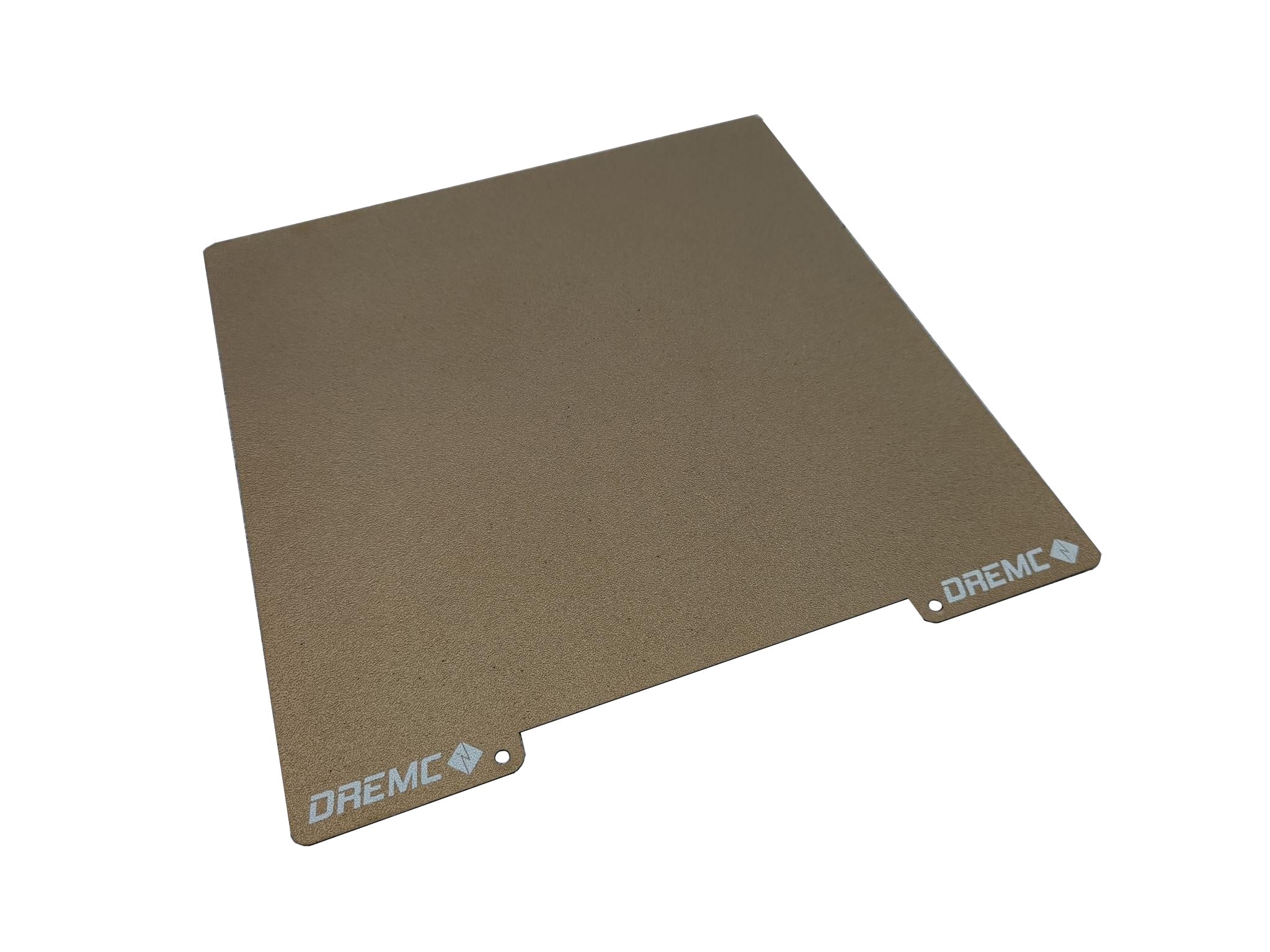
We stock the build plates we use, and we use two types: textured PEI and satin PEI. Almost every printer in our farm is running one or the other.
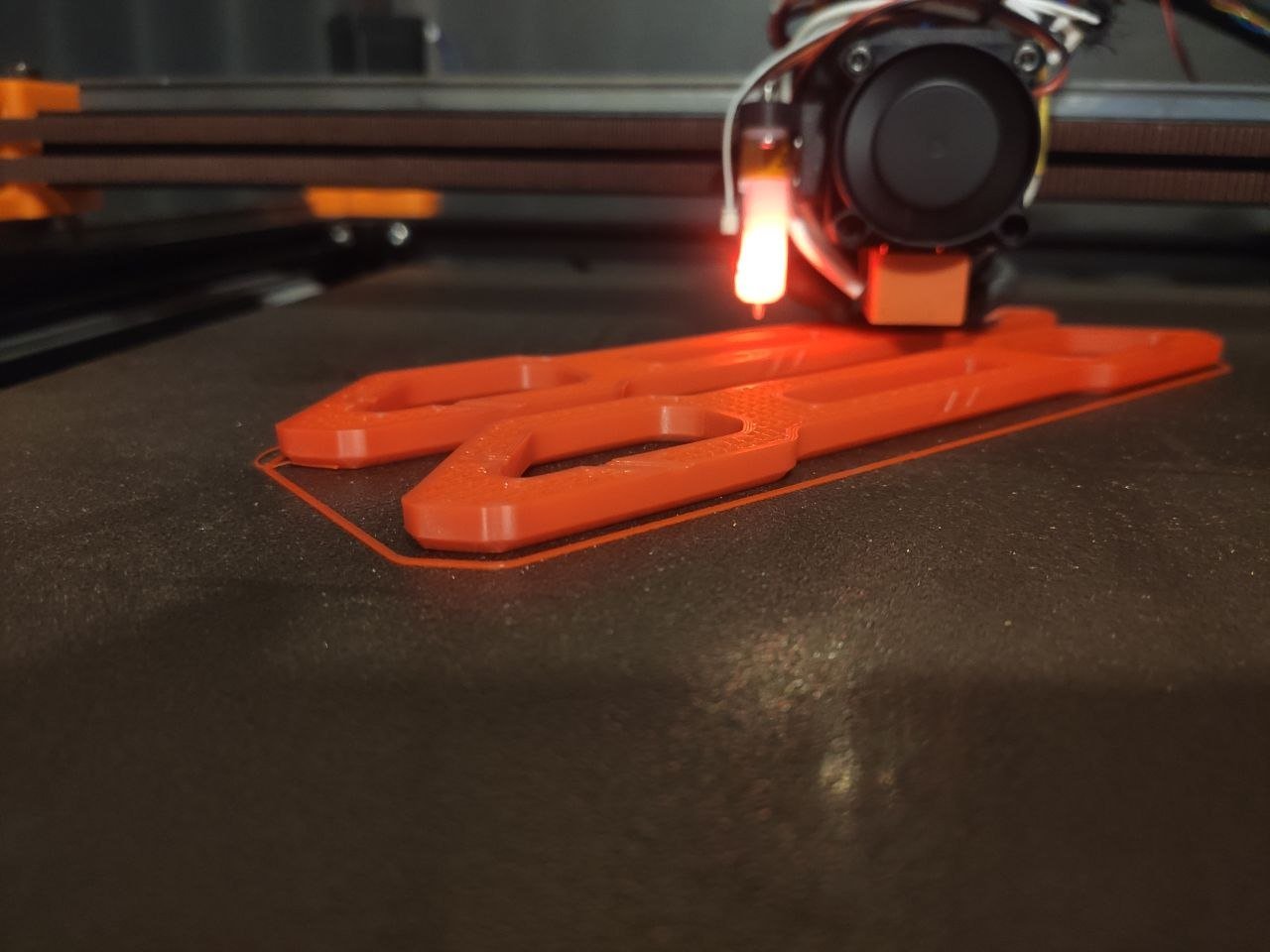
Textured PEI is the workhorse for ABS, ASA, PC, and similar high-temperature materials. It delivers a lightly dimpled first layer that hides minor imperfections, and parts release with almost no effort once the bed cools. For materials that shrink slightly as they solidify, that slight texture gives just enough grip without ever becoming a permanent bond. We have found it works well across the majority of engineering filaments.
Satin PEI is the answer when we need a smoother first layer or a little extra adhesion for PLA and PETG. The surface looks matte, not glossy, and it provides a stronger grip than textured PEI without tipping over into the “stuck too well” territory of smooth PEI.
Because we use our own branded sheets, we test every batch for consistency. It keeps our inventory simple and means the advice we give customers comes from a surface we have personally pushed through hundreds of heat cycles, similar with other many customers client that we supplied build plate.
The Cleaning Secret That Solves Most Adhesion Problems
Almost every adhesion problem we troubleshoot starts and ends with cleaning, but not with isopropyl alcohol alone. Isopropyl alcohol is great for a quick wipe between prints to remove light dust and filament residue, but it does not actually dissolve and lift the grease and manufacturing oils that embed themselves in the tiny ridges of a textured or satin sheet. It mostly just moves them around.
Our current favourite cleaning method is a household window cleaner that contains ammonium hydroxide. It cuts through skin oils, grease, and the invisible film left behind from handling a build plate. We use it on new sheets straight out of the box, and we use it any time a plate that used to work perfectly starts to show patchy adhesion. A wash with dish soap and warm water achieves the same degreasing effect, but we find the window cleaner faster and just as effective. Keep isopropyl alcohol for between-print maintenance, but if you are fighting poor adhesion, reach for something that actually removes grease, we slowly phasing away from isoproyply alcohol these day, as one less flammable source in the print farm.
A secondary myth we regularly bust: glue stick is not an adhesion aid. It is a release agent for most common materials. For materials like PETG and TPU that can bond so aggressively to smooth PEI that they tear the coating on removal, a thin layer of glue stick acts as a protective barrier. Slathering glue onto a textured plate because PLA is not sticking is counterproductive; you are covering the texture that provides the grip. Clean the plate properly and drop the bed temperature slightly instead.
How Long Does a PEI Sheet Last? (And When to Replace It)
With modern automatic bed levelling and reliable Z-offset probing, we see far fewer gouged build plates than we did in the manual-levelling era. The most common source of damage now is metal scraper mishaps, nozzle crashes during a failed probe, or simply years of print removal gradually wearing down the texture.
For textured PEI, measuring life in print hours misses the point. It is the number of print-and-removal cycles that matters. Every time a part cools and releases, a microscopic amount of the PEI surface wears away. A realistic lifespan on a busy printer that runs ABS and PETG daily is somewhere between 1,000 and 5,000 prints before adhesion starts to decline noticeably. If you are careful to let the bed cool fully before removing parts and you never use metal tools directly on the surface, you will sit at the high end of that range.
Smooth PEI can sometimes be revived when it starts to fail. A light scuff with very fine steel wool followed by an acetone wipe exposes a fresh layer of PEI and can buy you months of additional use. It is time-consuming, but the replacement film is cheap. Textured and satin sheets cannot be reconditioned this way because the topography is what does the work; once the texture is flattened, the plate is done.
The real sign that it is time to replace a sheet: large physical damage, or adhesion that does not return even after a thorough degreasing with dish soap or ammonium hydroxide cleaner. If a plate has visible gouges or bare steel showing, retire it. If it simply will not grip no matter how clean it is, the PEI has worn through.
Matching Your PEI to Your Filament
The material you print most often should determine which PEI surface lives on your printer.
Textured PEI is the best general-purpose choice for PETG, ABS, ASA, and TPU. These materials bite into the texture and release cleanly. PLA will print on textured PEI, but it often needs a higher bed temperature (around 60°C) to get reliable adhesion, and even then very small parts may still lift. If PLA is your primary material, we do not recommend textured PEI as your only plate.
Satin PEI is our pick for anyone who prints PLA and PETG regularly and wants one surface that does both. PLA sticks to satin PEI extremely well, sometimes so well that you will need to flex the plate firmly or use a rounded-edge plastic tool to start removal. A useful trick: lower the bed temperature. Printing PLA at 50°C instead of 60°C on satin PEI reduces the bond strength just enough to make part removal easy while still preventing warp. For PETG, satin PEI provides reliable adhesion without the dangerous over-bonding of smooth PEI.
Smooth PEI is the surface of last resort for us. It gives a glossy first layer, but PETG and TPU can fuse to it permanently without a glue stick barrier. If you print mostly PLA and want a mirror finish, smooth PEI works, but you are signing up for careful release agent management. We rarely use it in the farm.
A general principle that applies across all PEI types: the closer the bed temperature is to the material's glass transition temperature, the stronger the bond. If a part is lifting, raise the bed temperature a few degrees. If a part is sticking too aggressively, drop it. The window is usually only 5°C to 10°C wide, but it makes all the difference.
PEI vs the Competition: How Every Build Surface Stacks Up
We have tried almost every build surface that has gained traction in the community. Here is how we honestly rank them for everyday printing, based on adhesion reliability, ease of use, and material compatibility.
| Surface | Best For | Requires Glue Stick / Barrier? | Pros | Cons |
|---|---|---|---|---|
| Textured PEI | ABS, ASA, PETG, TPU, PC | No (only for TPU if over-bonding) | Excellent release when cool, hides layer lines, durable | Poor PLA adhesion on small parts without higher bed temp |
| Satin PEI | PLA, PETG, ABS, ASA | No for most; occasional glue stick for TPU | Strong adhesion across materials, smooth finish, forgiving | Can grip PLA too firmly if bed too hot |
| Smooth PEI | PLA | Required for PETG and TPU | Glossy first layer, easy to refresh with steel wool | Over-bonding risk, easily damaged by PETG without barrier |
| PEX | PLA, PETG, ABS | Sometimes for PETG | Durable, good release, less prone to over-bonding than smooth PEI | Can be inconsistent between brands, often needs higher bed temps |
| G10 / FR4 / Resin Carbon Fibre | PETG, some Nylon | Depends on resin | Smooth bottom finish, works well for PETG without barrier | Inconsistent adhesion for PLA, small parts may lift, thick sheets can confuse eddy current probes, not all resins are the same |
| Glass | PLA (with adhesive), PETG (with barrier) | Often required | Ultra-flat, cheap | Heavy, needs clips, adhesion aids almost always needed, PETG can chip glass |
| Blue Tape | PLA, PETG (emergency) | No | Disposable, readily available | Poor surface finish, frequent replacement, adhesive residue, low heat tolerance |
Our strong opinion: for most users, a single satin PEI steel sheet will replace every other surface in that table and eliminate the need for glue sticks, tape, and hairspray entirely. We only recommend textured PEI if you predominantly print ABS, ASA, or PETG and want the easiest possible part removal. Glass and blue tape are legacy solutions that made sense when flexible steel sheets did not exist; today they are rarely the best option.
A note on G10 and resin-coated carbon fibre sheets: The community has embraced these as an alternative to PEI, but they come with a serious caveat. The performance depends entirely on the specific resin used by the manufacturer, and not all resins stick to the same materials. PLA often lifts from G10 on small contact areas, and thicker G10 sheets can interfere with eddy current bed probes because the probe reads the top of the plastic, not the steel beneath. If your printer uses an eddy probe for bed levelling, the mesh may be inaccurate. G10 works beautifully for PETG and offers a smooth finish without the glue stick required on smooth PEI, but it is not a universal replacement.
What about PEX? PEX sits somewhere between smooth PEI and satin PEI in behaviour. It is tough, chemical-resistant, and less likely to over-bond with PETG than smooth PEI. Our experience is that quality varies between manufacturers, and a well-made satin PEI sheet does everything PEX does with broader material compatibility and better availability.