News
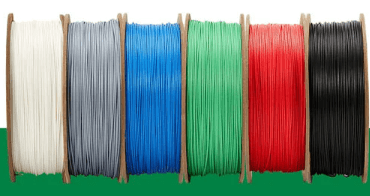
PET vs PETG: Why We Print Kilograms of PET for Industry (and When PETG Still Wins)
TLDR: PET CF is stiff, creep-resistant, and far stronger under constant load than PETG CF, but it costs more and demands an enclosed printer. PETG CF is more ductile, easier to print, and better for impact-prone parts. If your part must hold its shape under stress, pick PET; if it needs to survive drops, pick PETG.
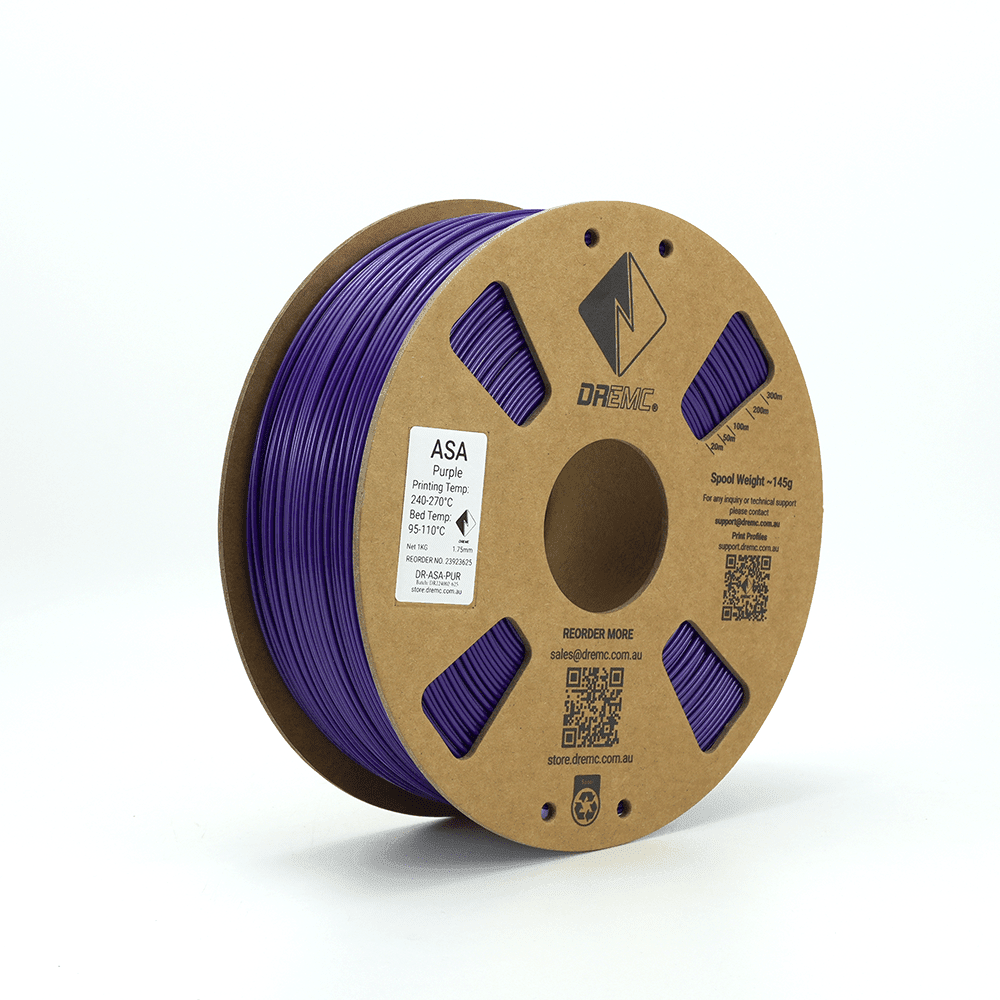
The Filament Shipping Hack: Why 2 Spools Cost the Same as 1
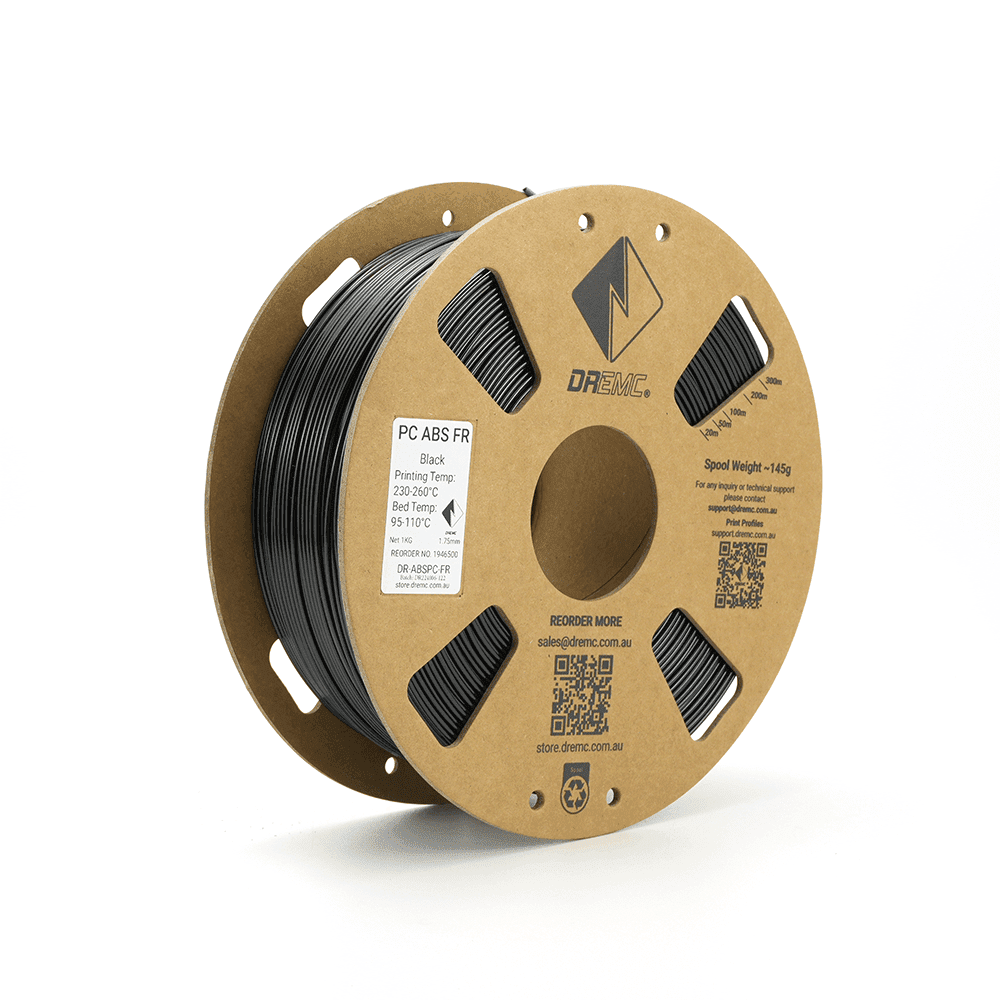
Flame Retardant (FR) Materials for FDM 3D Printers

Exploring Polymaker Fiberon PET, PLA, PETG, ASA, Nylon and PPS Material
Explore the differences between glass and carbon fibre materials in 3D printing, including the benefits of PLA, PET, PETG, ASA, Nylon, and PPS filaments. Learn how fiber reinforcement impacts strength, flexibility, and heat resistance in various applications. Perfect for engineering and everyday projects!
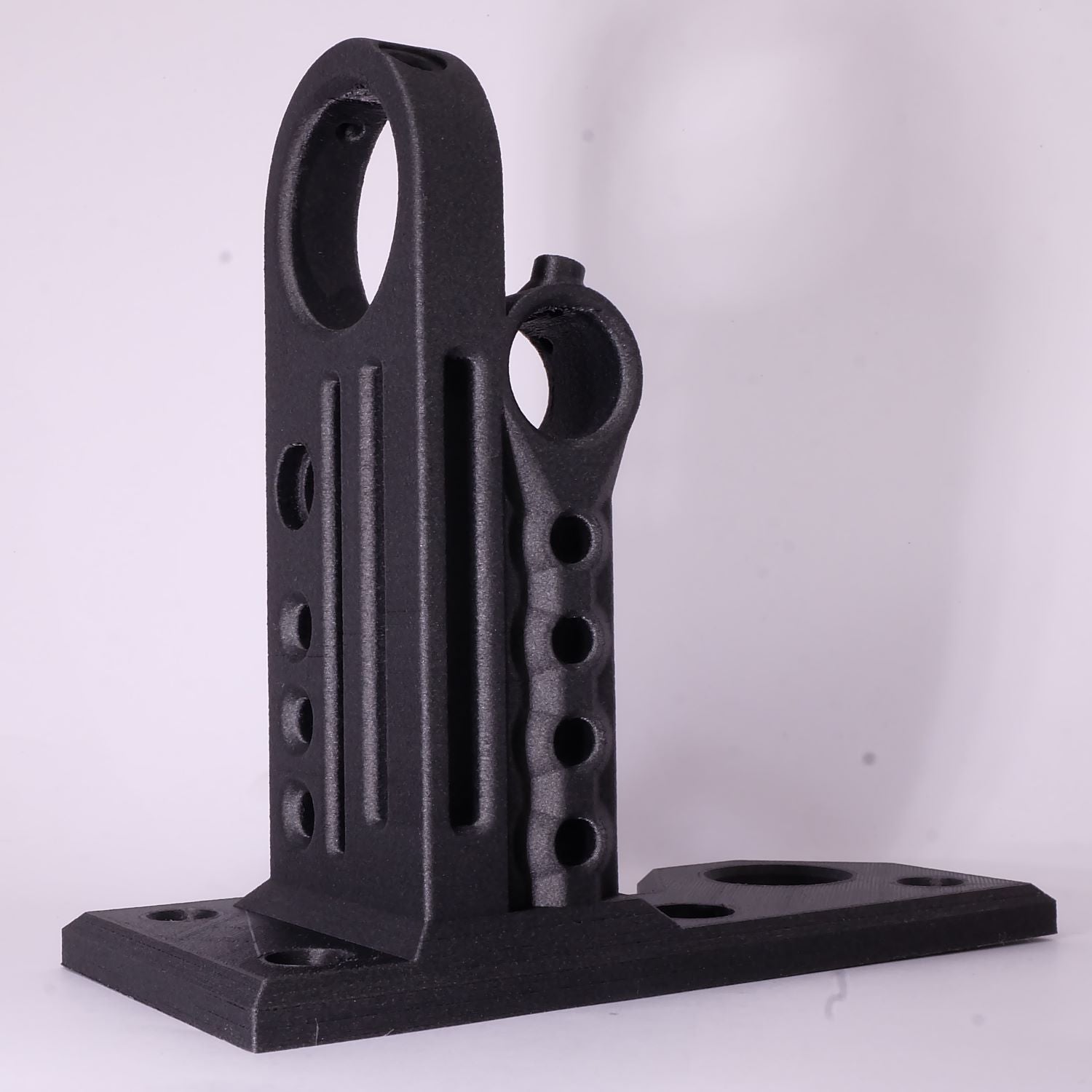
Comparison of Chopped vs. Milled Carbon Fibre Filament
Chopped and milled carbon‑fiber filaments look similar, but their geometry drives very different performance. High‑aspect‑ratio chopped strands boost stiffness and strength‑to‑weight ratios, while fine milled particles improve dimensional stability and ease of printing. This article breaks down the mechanical impact, warping reduction, surface finish, and electrical benefits of each type, helping engineers choose the right reinforcement for aerospace, automotive, or robotics applications.
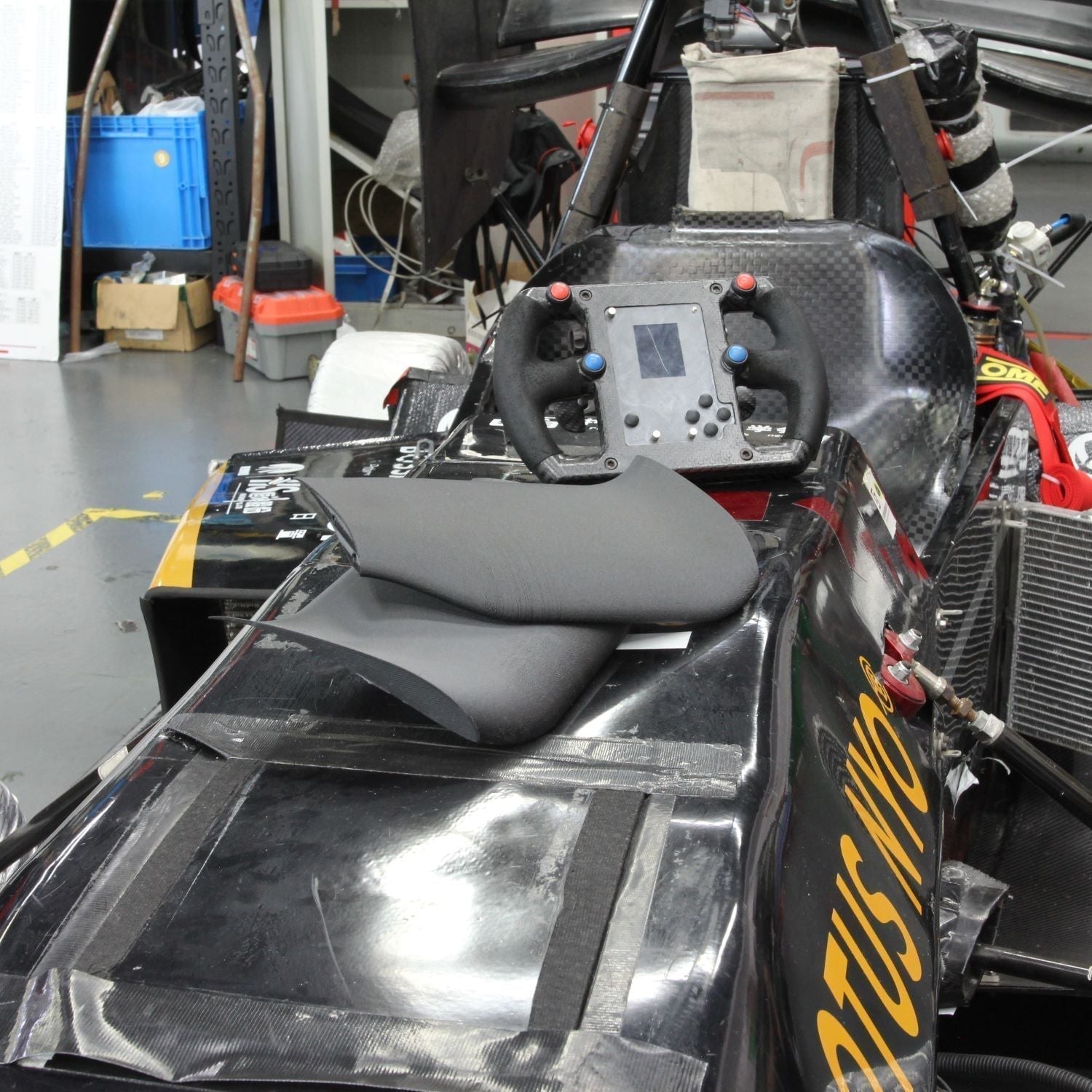
How DREMC Helps Customers Choose the Right Filament
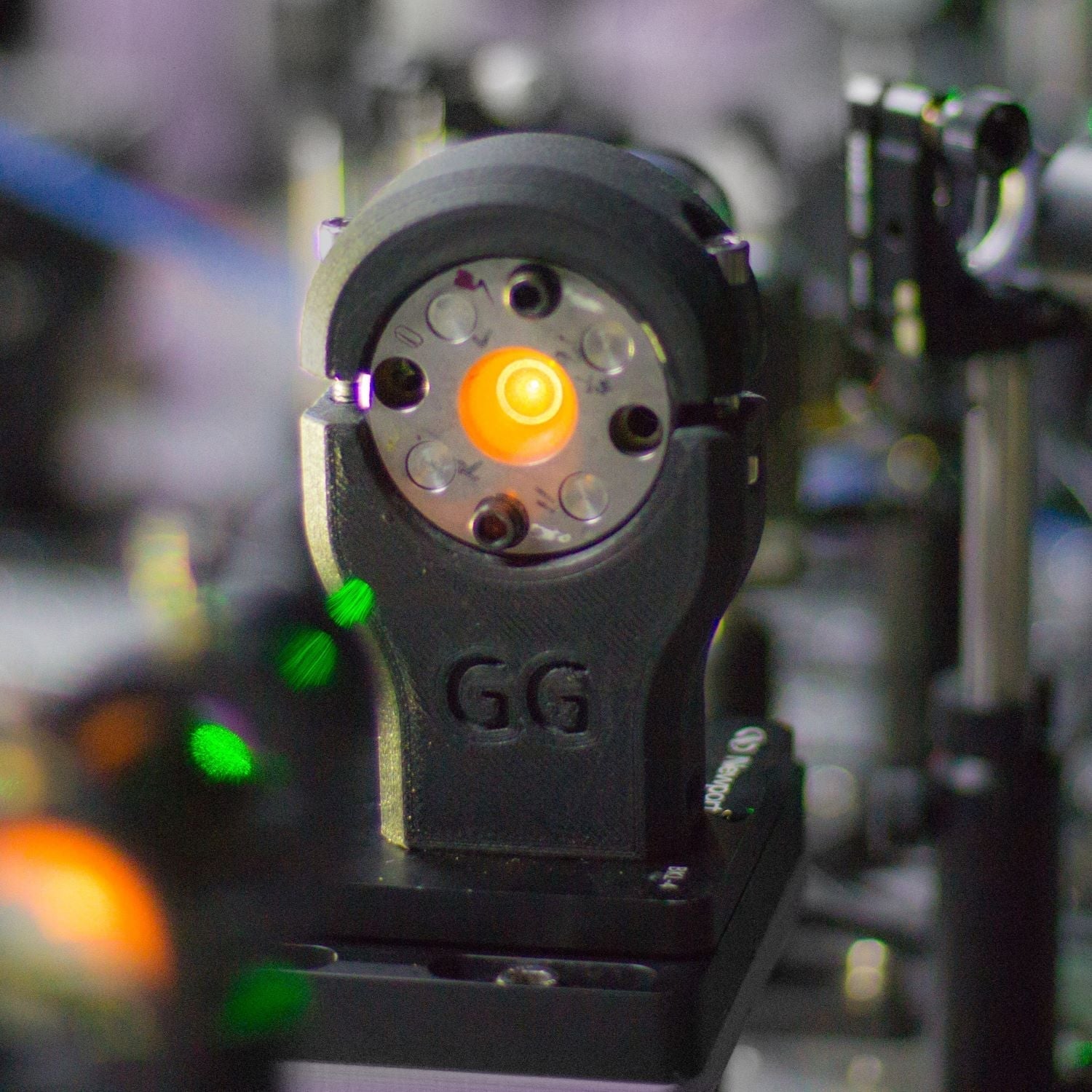
Is carbon fibre filament worth it?
Standard 3D printing materials like PLA and ABS can falter under real stress, but DREMC's carbon fiber filament takes performance to the next level. Comparable to traditional manufacturing, it opens up new possibilities for high-load applications.
Carbon fibre significantly enhances material stiffness, ensuring parts retain their shape under pressure. Its unique structure acts like micro-rebar, reducing warping and shrinkage, while delivering exceptional dimensional stability. This filament also boasts impressive heat resistance, maintaining integrity in challenging environments.
When printing with carbon fibre, specific hardware upgrades, like a hardened steel nozzle, are crucial. DREMC offers a range of compatible filaments, including PA6, PA12, and ABS, tailored for various uses.
Whether in aerospace or automotive sectors, carbon fibre parts are becoming the norm, replacing traditional tooling for greater efficiency. Is it worth the investment? Absolutely—if you need high-performance, durable components, the benefits of carbon fibre far outweigh the costs.
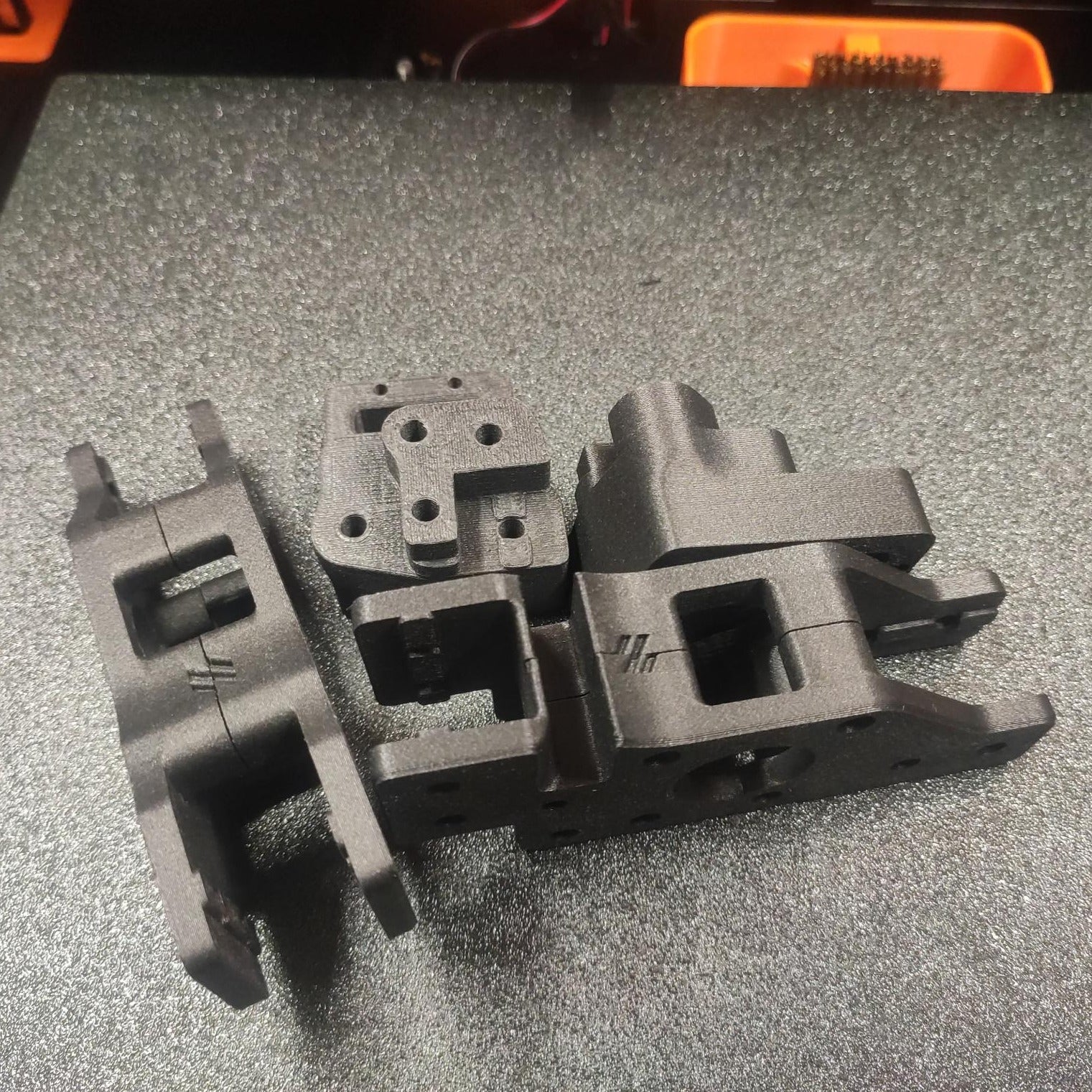
Carbon Fibre vs. Glass Fibre Filled Filaments
This article explores the differences between glass fibre and carbon fibre reinforced filaments in 3D printing. It highlights the strengths, weaknesses, and ideal applications of each material. Glass fibre offers affordability and flexibility, making it suitable for mechanical parts and tools, while carbon fibre provides superior stiffness and a high strength-to-weight ratio, ideal for precision applications in aerospace and automotive industries.
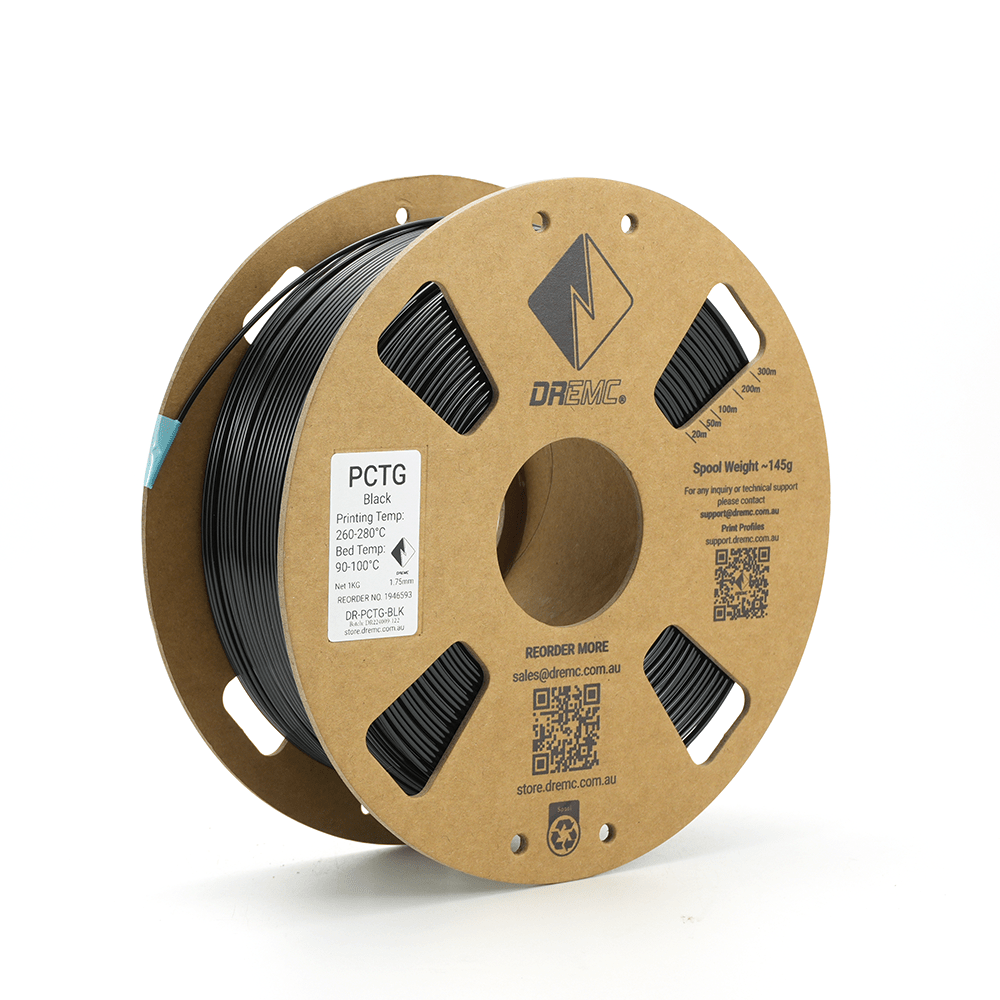
PCTG vs. PETG: Which Filament Delivers Enhanced Performance?
This guide compares PETG and PCTG, two popular copolyester filaments, focusing on their performance characteristics such as strength, durability, and chemical resistance. While PETG is widely recognised, PCTG is emerging as a superior choice for high-demand applications due to its enhanced impact resistance and versatility. The article discusses their molecular differences, processing capabilities, and suitability for various projects, highlighting PCTG as a next-generation option in additive manufacturing.
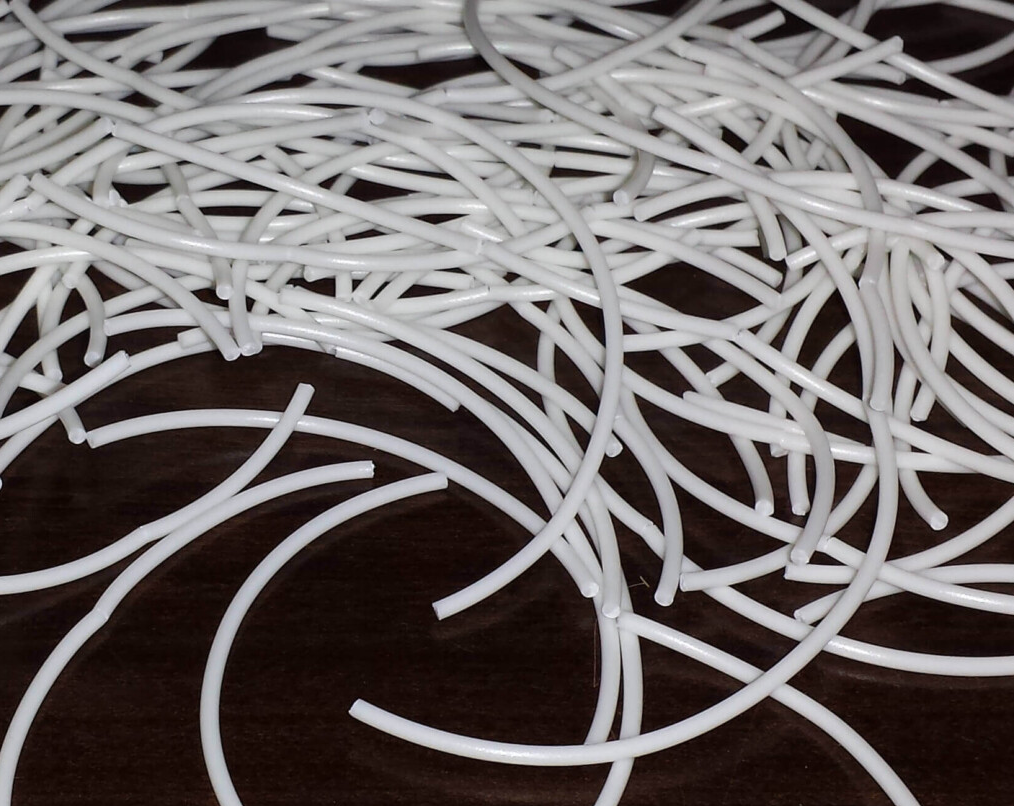
Why Your PLA Filament is Becoming Brittle (and How to Prevent It)
PLA filament turning brittle is a common frustration for 3D printing enthusiasts, often caused by moisture, UV exposure, or temperature changes. Learn why your filament weakens over time and discover simple storage, handling, and drying tips to keep your spools in top condition for smoother, more reliable prints.
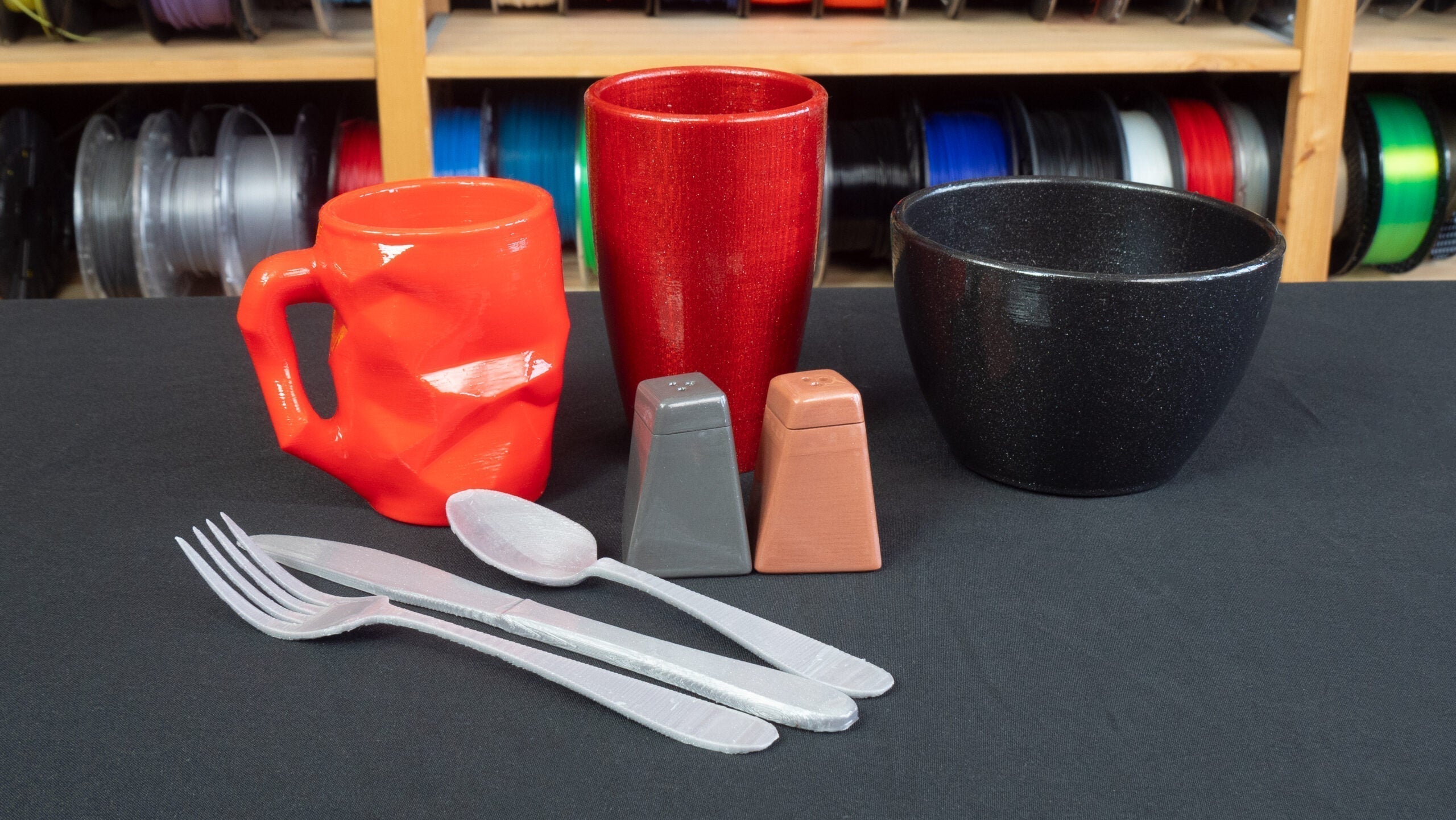
Is FDM 3D Printing Food Safe? The Honest Answer from a Print Farm